
Contents:
- Why Flowers Still Matter for Sympathy and Grief
- The Best Flowers for Parent Death Condolence Arrangements
- White Lilies — The Classic Condolence Flower
- White or Cream Roses
- Chrysanthemums
- Gladioli
- Hydrangeas and Sympathy Mixed Bouquets
- A Seasonal Guide: When to Send What
- What to Send to the Funeral Home vs. the Family Home
- Common Mistakes to Avoid
- Practical Tips for Ordering Sympathy Flowers
- FAQ: Parent Death Condolence Flowers
- What are the most appropriate flowers to send when someone’s parent dies?
- Is it better to send flowers to the funeral or to the home?
- How much should I spend on condolence flowers?
- What colors should I avoid for sympathy flowers?
- Can I send a plant instead of cut flowers?
- Ready to Send? Here’s Your Next Step
What do you send someone when they’ve just lost the person who raised them? Choosing parent death condolence flowers feels like a small decision, but it carries real weight. The right arrangement says “I see your grief.” The wrong one—or no flowers at all—can feel like a missed moment of connection.
This guide walks you through exactly what to send, when to send it, and how to make sure your flowers actually land the way you intend.
Why Flowers Still Matter for Sympathy and Grief
Flowers have been part of human mourning rituals for over 60,000 years—archaeologists found evidence of floral burial offerings at a Neanderthal site in Iraq. That instinct hasn’t gone away. Today, sympathy flowers serve a practical emotional function: they fill a grieving home with living beauty during some of the darkest days a person will face.
When a parent dies, the loss is singular. Whether the person was 30 or 70, losing a mother or father reshapes their identity. A thoughtful arrangement acknowledges that without requiring the sender to find the perfect words. Flowers speak when language fails.
The Best Flowers for Parent Death Condolence Arrangements
Not every flower is appropriate for sympathy occasions. Some signal celebration; others carry centuries of association with comfort and remembrance. Here are the strongest choices.
White Lilies — The Classic Condolence Flower
White stargazer and Casablanca lilies are the most widely recognized funeral and sympathy flowers in the US. Their large blooms, strong fragrance, and pure white color have long symbolized the restored innocence of the soul. A single arrangement of 6–8 white lilies typically runs $55–$85 from a local florist and makes an immediate visual impact. One caveat: if you know the recipient has cats, skip lilies entirely—they’re highly toxic to felines.
White or Cream Roses
Roses aren’t just for romance. White roses carry meanings of reverence, purity, and new beginnings—all appropriate when someone has lost a parent. A 12-stem white rose bouquet is understated, elegant, and broadly appropriate regardless of religion or cultural background. They’re also widely available even outside major metro areas.
Chrysanthemums
In the US, white and yellow chrysanthemums are strongly associated with sympathy and funerals. They’re long-lasting (often 2–3 weeks in a vase), affordable, and carry a quiet dignity. In many European and Asian cultures, chrysanthemums are specifically funeral flowers—so if the family has international roots, this is a particularly resonant choice.
Gladioli
Gladioli symbolize strength of character and moral integrity—meaningful when honoring someone’s parent. They’re a staple of funeral sprays and standing arrangements. A tall gladiolus arrangement works especially well as a tribute piece for the service itself, rather than a home delivery.
Hydrangeas and Sympathy Mixed Bouquets
Soft blue, white, or lavender hydrangeas convey heartfelt emotion and gratitude. They’re a gentler, more contemporary option that works well for home delivery after the service, when the family is settling into the long stretch of grief. Many online florists like 1-800-Flowers and Teleflora offer curated sympathy mixed bouquets in the $60–$120 range that combine hydrangeas with roses, alstroemeria, and greenery.
A Seasonal Guide: When to Send What
Flower availability shifts through the year, and choosing something in season keeps costs down and quality high.
- Spring (March–May): Tulips, peonies, and white daffodils are widely available and affordable. White tulips in particular make a graceful, understated condolence gift.
- Summer (June–August): Lilies, lisianthus, and snapdragons are at their peak. This is the best season for large, lush white arrangements.
- Fall (September–November): White dahlias and cream roses hold up well. Avoid orange or rust-toned arrangements—they read autumnal rather than somber.
- Winter (December–February): Amaryllis, white orchids, and carnations are reliably available. A potted white orchid ($40–$70) is an especially good winter choice—it lasts weeks and doesn’t require a vase.
What to Send to the Funeral Home vs. the Family Home
Timing and destination matter as much as flower choice. Funeral arrangements sent to the service are typically larger—standing sprays, wreaths, or casket pieces that range from $100 to $300+. These are more appropriate from close family, colleagues as a group, or professional contacts.
For friends and acquaintances, sending flowers directly to the family’s home is often more meaningful. The funeral service is brief; the grief lasts for months. A beautiful arrangement arriving a week or two after the service—when the casseroles have stopped coming and the visitors have gone home—can feel more supportive than flowers that get lost among dozens at the funeral home.
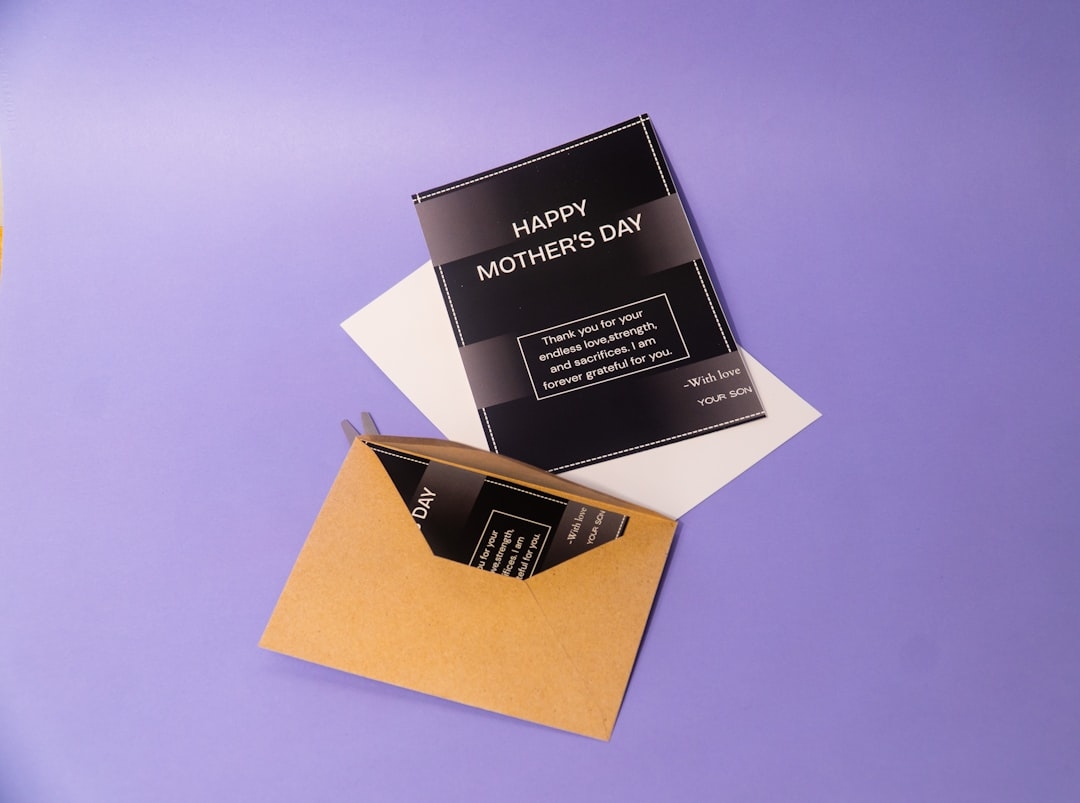
If you’re unsure, a good rule of thumb: send to the home within 7–10 days of learning about the death.
Common Mistakes to Avoid
- Sending red roses. Red roses are unmistakably romantic in American culture. Even if well-intentioned, they can feel jarring in a grief context. Stick to white, cream, soft pink, or lavender.
- Forgetting to include a card. A bouquet without a note feels anonymous. Even three sentences—”I’m so sorry for your loss. Your mom was a wonderful person. I’m thinking of you.”—makes the gift feel personal.
- Ordering last-minute from a big-box store. Grocery store flowers tend to be lower quality and less thoughtfully arranged. For a sympathy gesture that actually impresses, use a local florist or a reputable online service like BloomsyBox or UrbanStems.
- Sending lilies to a home with cats. As noted above, true lilies (Lilium species) are fatally toxic to cats. Ask before ordering, or choose roses or hydrangeas as a safe default.
- Overdoing it on size. A massive arrangement can feel performative rather than comforting. A medium-sized, well-chosen bouquet in the $60–$85 range is usually more appropriate than a $200 showpiece, unless you’re a close family member.
Practical Tips for Ordering Sympathy Flowers
Order at least 24–48 hours in advance to ensure same-day or next-day delivery, especially from local florists. If the death happened on a weekend, call first thing Monday morning—florists often get backed up after weekends.
Ask specifically for “sympathy” or “condolence” flowers when ordering, not just “something nice.” This cues the florist to choose appropriate colors and flower types. You can also request a specific color palette—all white, white and green, or white and soft purple—for a cohesive, muted look.
If you’re sending to someone from a different cultural background, a brief Google search can help. For example, white flowers are universally appropriate in Chinese and Korean American households for mourning, while some South Asian families may prefer marigolds for their ritual significance.
FAQ: Parent Death Condolence Flowers
What are the most appropriate flowers to send when someone’s parent dies?
White lilies, white roses, and chrysanthemums are the most widely appropriate choices. They symbolize peace, purity, and respect, and are recognized as sympathy flowers across most US cultural contexts.
Is it better to send flowers to the funeral or to the home?
Sending to the home is often more meaningful for friends and acquaintances. Funeral flowers are briefly visible; home flowers arrive when the family needs comfort most. Aim to send within 7–10 days of the death.
How much should I spend on condolence flowers?
A $55–$85 arrangement is appropriate for friends and colleagues. Close family members or business partners might send $100–$150. Large funeral tributes from groups or employers typically range from $150–$300.
What colors should I avoid for sympathy flowers?
Avoid bright red (too romantic), orange (too celebratory), and neon tones. Stick with white, cream, soft pink, lavender, or pale yellow for a tone that reads as respectful and comforting.
Can I send a plant instead of cut flowers?
Yes—a potted white orchid or peace lily is an excellent alternative. Plants last longer than cut flowers and serve as an ongoing reminder of your sympathy. Peace lilies are especially popular because they’re low-maintenance and carry strong symbolic resonance.
Ready to Send? Here’s Your Next Step
Call or visit a local florist today and ask for a white sympathy arrangement in the $65–$80 range. Tell them who it’s for—a friend who lost a parent—and let them guide the final selection. Local florists bring expertise and care that online-only services often can’t match, and your flowers will likely arrive fresher. If local isn’t an option, UrbanStems and Teleflora both have strong sympathy collections with reliable same-day delivery in most US cities.
The gesture matters more than perfection. Send something. Send it soon.









Add Comment