Contents:
- Why These Five Options Work Under Time Pressure
- A Single-Variety Statement Bouquet
- Dried Flower Arrangement in a Keepsake Vessel
- A Flower Box or Hatbox Arrangement
- Mixed Wildflower Meadow Bouquet
- Potted Orchid with Premium Presentation
- Comparison Table
- How to Choose the Right Option
- Common Mistakes to Avoid
- FAQ
- What is the most popular Mother’s Day flower in America?
- Can I order Mother’s Day flowers the day before?
- What flowers should I avoid for Mother’s Day?
- How do I make a last-minute order look more thoughtful?
- Are dried flowers appropriate for Mother’s Day?
You set a reminder three weeks ago. Then life happened — a work deadline, a school week that collapsed into itself, a few evenings where you meant to order and simply didn’t. Now it’s Thursday before Mother’s Day and you’re staring at a blank search bar, panic starting to creep in. The good news: genuinely thoughtful floral gifts are still completely achievable on short notice. The better news: some of the most memorable arrangements are the ones that don’t require weeks of planning at all. With the right approach and a reliable florist, you can order Sunday morning and still deliver something that feels considered and personal.
This guide is not about settling. A well-chosen mother’s day flower arrangement — even one assembled on 24-hour notice — can communicate exactly what a month-ahead order would, if you know which options hold up under time pressure. These five ideas are curated specifically for the last-minute buyer who still wants the result to feel intentional, not rushed. You’ll find specific pricing for the 2026 American market, honest assessments of what works when time is tight, and exactly how to avoid the mistakes that make rushed gifts look… well, rushed.
Why These Five Options Work Under Time Pressure
Not every flower arrangement suits last-minute ordering. Complex custom designs require lead time — sourcing unusual varieties, constructing multi-layer compositions, hand-tying techniques that take hours. These five options work precisely because they rely on readily available blooms and flexible presentation formats that skilled florists can execute quickly without compromising quality. Each idea on this list can be ordered from most reputable American florists with same-day or next-day delivery. Prices reflect the 2026 market across major US regions. Results vary by season, local availability, and individual florist — always confirm what’s in stock when ordering.
The key principle: the fastest arrangements to create are either the simplest in concept or the most visually forgiving when assembled quickly. A flower box looks intentional even when put together rapidly because the format itself conveys sophistication. A wildflower arrangement reads as deliberately unstructured, so speed doesn’t show. A single variety in volume has so much visual presence that execution details fade into the background. These five leverage that psychology.
1. A Single-Variety Statement Bouquet
There’s a particular elegance to a large bunch of a single flower done correctly. Forty peonies in full bloom. Thirty white ranunculus. Twenty-five blush garden roses with no fillers, no distractions — just volume and the concentrated beauty of one variety at its best. The impact is immediate and unmistakable: this was curated, not assembled from house stock.
This works as a last-minute pick for a specific reason: it requires no complex floristry. The florist sources one variety, wraps it with care, and the sheer mass of the blooms creates the impact. The risk with rushed arrangements is that they look rushed — a single-variety bouquet sidesteps that entirely. It reads as intentional and minimal at once, which is a rare combination for something assembled quickly. From San Francisco to Atlanta, this is the arrangement choice when you want premium impact without premium lead time.
Best for: Mothers with a clean, contemporary aesthetic or a strong preference for a specific flower. If you know she loves peonies, give her forty peonies. If she’s been mentioning how much she adores garden roses, deliver an arrangement of nothing but roses at their peak. There’s nothing more considered than that.
Price range: $45–$140 depending on bloom variety and stem count. Peonies and garden roses sit at the higher end; high-quality chrysanthemums and lisianthus — underrated when presented in volume — at the lower end. During peak season (April through June), expect the lower prices. Summer and fall shift upward due to reduced domestic supply.
One clarification worth making: a single-variety bouquet is often confused with a “basic” bouquet by buyers who associate elaborateness with effort. They’re categorically different things. A 50-rose arrangement in one color, wrapped with precision, is a statement piece. A five-flower mixed arrangement in three colors is decoration. Know which one your recipient actually values. Most women in their 40s and beyond specifically prefer the statement bouquet — it photographs better, lasts longer in the vase, and feels more sophisticated.
2. Dried Flower Arrangement in a Keepsake Vessel
Dried flowers have moved firmly into the premium tier. What once felt dated — bunches of lavender and wheat gathering dust on a windowsill — has been completely reimagined into something genuinely contemporary: pampas grass, dried proteas, preserved eucalyptus, bleached cotton bolls, and dried garden roses arranged in terracotta pots, smoked glass vessels, or woven baskets. Design-forward florists across the country now feature dried arrangements as their luxury line, and the aesthetic reads as expensive and intentional.
The practical advantage for last-minute buyers is significant: dried arrangements don’t require refrigeration, ship without damage risk during rushed delivery, and last for one to three years without any maintenance. You’re not just giving flowers — you’re giving something she’ll look at on her shelf every day for the next eighteen months, and think of you each time. That’s a different category of gift than something that fades in ten days. From Los Angeles to New York, savvy gift-givers are shifting to dried arrangements for exactly this reason: they’re harder to kill, they last longer, and they feel more premium.
Best for: Mothers who’ve mentioned frustration about fresh flowers wilting quickly. Also excellent for mothers who travel frequently and can’t be home to maintain cut flowers in a vase. Perfect for anyone living in a small apartment where fresh flowers create clutter once they start to fade. If she appreciates design and minimalism, dried flowers are the gift that appeals to her actual values.
Price range: $35–$220 for standard arrangements. Premium compositions with preserved roses, pampas grass, and designer ceramic vessels can reach $200–$280 in the 2026 American market. For a last-minute order, budget toward the middle ($80–$150) to get quality without paying rush fees.
Pro tip: Dried arrangements pair exceptionally well with scented candles or small potted succulents as add-on items, if you want to increase the perceived thoughtfulness without significant additional cost. The pairing suggests curation rather than impulse purchasing. Many florists offer curated gift sets that bundle a dried arrangement with complementary items — these actually save money versus ordering separately.
3. A Flower Box or Hatbox Arrangement
The flower box format — roses or mixed blooms packed tightly into a square or round rigid box — photographs beautifully and delivers a strong emotional impact when the lid is removed. For Mother’s Day, where the gifting moment itself carries weight, presentation contributes as much as the flowers inside it. It’s the visual moment that matters as much as the blooms. Across the country, flower boxes have become the Instagram-era gift standard, and there’s a reason: they’re photogenic, they feel premium, and they solve a practical problem.
Box arrangements also have a structural advantage: the rigid container keeps blooms upright during delivery and protects them from the bruising that commonly happens with traditional bouquet transport. The flowers arrive looking exactly as they looked when packaged — a meaningful difference with same-day or next-day delivery where handling can be rushed. If you’re ordering Sunday morning for Monday delivery, a flower box is your safest option. The logistics work in your favor.
Best for: Mothers who appreciate visual aesthetics and will photograph the gift. Also ideal for workplace delivery — a flower box is compact, self-contained, and doesn’t require a vase to be sourced on the spot. If she has a small apartment, a flower box is the format that works best; it doesn’t require hunting for a suitable vase. The presentation is built in.
Price range: $60–$180. Premium compositions with garden roses, peonies, or ranunculus in custom-branded boxes run toward the higher end. Standard rose-only boxes are widely available in the $60–$90 range. During peak Mother’s Day season (May 1-11), add 15–20% to typical pricing and order early to secure availability.
Comparison with vased arrangements: A vased arrangement looks immediately at home but requires you to know her interior style — the vessel needs to work with her décor, or the whole gift feels slightly off. A flower box is entirely self-contained: the box is the vessel, the presentation, and the protection simultaneously. It’s the more forgiving last-minute option of the two. For a buyer who doesn’t know her home aesthetic well, a flower box removes that risk entirely. It’s also significantly more durable during shipping, which matters if you’re having it delivered across state lines or to a workplace.
4. Mixed Wildflower Meadow Bouquet
Not every mother wants a formal arrangement. For mothers who tend a cottage garden, who’ve always preferred the unpredictability of roadside flowers over hothouse roses — a wildflower meadow bouquet is the gift that demonstrates you’ve been paying genuine attention to who she actually is. It signals that you understand her aesthetic rather than defaulting to what you think mothers “should” like. This is the arrangement for the woman who says she doesn’t want a “fussy” bouquet.
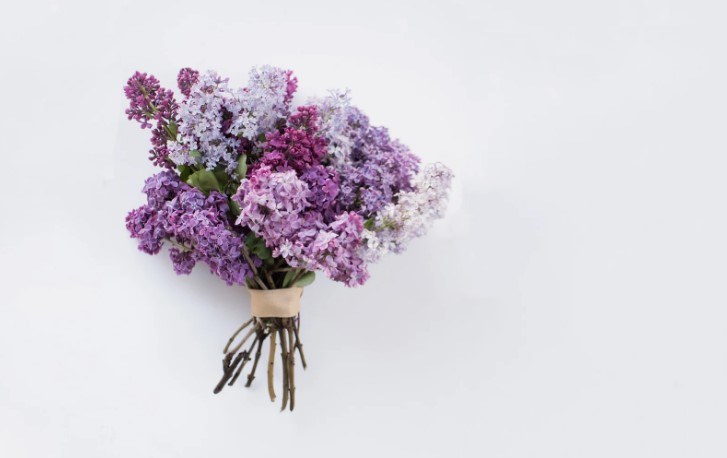
These arrangements combine seasonal field flowers: anemones, cornflowers, lisianthus, scabiosa, sweet peas, wild grasses, and whatever’s at peak availability in the current season. A skilled florist can assemble these quickly because the aesthetic is deliberately unstructured — the arrangement is meant to look uncontrived, which paradoxically makes it one of the faster compositions to build well. There’s no hidden geometry to worry about. It’s the anti-precision bouquet, which means execution speed is actually an advantage rather than a liability.
Best for: Mothers with a garden, a bohemian or natural aesthetic, or an explicit aversion to “fussy” flowers. Also effective for mothers who say they don’t want a big fuss — this is the anti-fuss option that still creates a real impression. If she’s mentioned liking wildflowers specifically, this is the obvious choice. It shows you were listening.
Price range: $30–$85. Seasonal availability affects price significantly — spring and early summer offer the widest selection at the best prices across America. Summer wildflowers are more limited; fall options are sparse. If you’re ordering in May, you’re getting the widest selection and the best pricing.
Expert insight: “The wildflower aesthetic is the single fastest-growing request category in American floristry right now,” says Michelle Ramirez, senior florist and design consultant based in Portland, Oregon with 16 years of industry experience. “It reads as effortful because it requires knowing your recipient’s actual taste. When a customer asks for it specifically, I know they’ve actually thought about who they’re buying for — that’s not common, and the recipient always feels it. Women absolutely notice when someone has genuinely paid attention to what they actually like versus what they think they should give.”
5. Potted Orchid with Premium Presentation
A living orchid is the gift that extends past the initial moment. A healthy phalaenopsis will bloom for two to four months, go dormant, and bloom again the following year with proper care. The ongoing nature of the gift makes it feel more substantial than cut flowers, even when the immediate visual scale is smaller. Every time she waters it or notices a new flower spike emerging, she thinks of you. That’s a different category of gift than something that fades in ten days.
For last-minute buyers specifically, orchids are available at premium florists and quality garden centers without order lead time. The key is the presentation: a plain plastic nursery pot is not a gift. Repotting into a ceramic or terracotta vessel, adding quality wrapping, and including a handwritten care card transforms a garden-center plant into something considered and personal. The presentation work happens in an hour; the result looks like you spent weeks planning.
Best for: Mothers who’ve mentioned enjoying houseplants, who travel regularly and can’t maintain cut flowers, or who’ve kept flowers alive and taken quiet pride in it. Perfect for someone with a sunny window who appreciates the challenge of plant care. If she’s ever mentioned a houseplant she loves, this is the category to explore. Orchids come in dozens of varieties and color ranges — you can match her aesthetic specifically.
Price range: $25–$75 for a premium specimen in a quality vessel with proper care documentation. Multi-stem orchids with four to six active flower spikes command the upper range and make a noticeably stronger impression. Phalaenopsis (moth orchids) are the most forgiving variety for first-time plant parents; dendrobiums are more dramatic but require more precise care.
What sets it apart from the other options: Unlike every cut flower choice on this list, an orchid represents a continuing relationship — she’ll think of you each time she tends it. That’s a different category of gift than something that fades in ten days. For certain recipients, that ongoing quality matters more than immediate visual impact. If your mother values living things and takes pride in keeping plants alive, this is the gift that resonates longest. It’s the anti-disposable gift in an era of single-use everything.
Comparison Table
| Option | Visual Impact | Longevity | Price Range (USD) | Best Situation |
|---|---|---|---|---|
| Single-Variety Bouquet | Very High | 1–2 weeks | $45–$140 | When you know her favorite flower |
| Dried Arrangement | High | 1–3 years | $35–$280 | Travelers, design enthusiasts, minimalists |
| Flower Box | Very High | 1–2 weeks | $60–$180 | Workplace delivery, gift that photographs well |
| Wildflower Meadow | Medium-High | 1–2 weeks | $30–$85 | Mothers who dislike formality, gardeners |
| Potted Orchid | Medium | Months to years | $25–$75 | Plant lovers, long-term sentiment |
How to Choose the Right Option
Three questions narrow the field quickly. First: what does she actually like? Not what you think she should like — what has she said, pointed to, or kept in her home? If she’s mentioned specific flowers or you’ve noticed what she displays, start there. This matters more than any other factor. Second: what’s the delivery situation? Cross-city shipping or workplace delivery makes a flower box or dried arrangement the most reliable choice — they arrive intact and don’t require a vase waiting on the other end. Same-city same-day delivery gives you all five options equally. Third: how much ongoing attention can she realistically give it? Fresh cut flowers need vase water and trimmed stems every two days. Orchids need monthly fertilizing and specific light conditions. Dried arrangements need absolutely nothing at all.
For most last-minute buyers, the single-variety bouquet and the flower box are the strongest all-around choices: visually striking, floristry-appropriate for rushed execution, and executable within 24 hours without compromise. If you have a reliable florist with confirmed same-day slots available, both can be delivered in time for Sunday morning without any quality compromise. If she specifically loves plants or has mentioned preferring long-lasting gifts, the potted orchid shifts the game entirely — it’s the only option that keeps giving after the initial moment. For the buyer who genuinely doesn’t know her preferences well, a wildflower arrangement is the safest choice — it reads as thoughtful and natural rather than generic, and it accommodates a wide range of aesthetic preferences.
Common Mistakes to Avoid
- Ordering generic “mixed bouquets” under time pressure. Standard mixed arrangements look their least impressive when assembled quickly. The randomness that works when carefully curated becomes visible sloppiness when rushed. Choose a clear concept — single variety, box, wildflower, dried — over an unspecified mix. Clarity of concept is what makes last-minute work.
- Ignoring her color preferences. Some people genuinely dislike specific colors. If she’s never worn orange in her life, a vibrant orange gerbera bouquet reads as disconnected from who she actually is. If you don’t know her preferences, stick with classic colors: white, blush pink, cream, soft yellow. These work across personal styles.
- Skipping the message card. The flowers are the vehicle. The words are the point. A last-minute bouquet with a genuinely personal, specific message consistently lands better than an expensive arrangement with a generic printed tag. Hand-write something if you can. Two genuine sentences beat any template language.
- Underestimating budget for meaningful quality. At the lower end of each price range you’ll get acceptable quality. For a gift that gets photographed, shared, and remembered — budget toward the middle or upper range. The difference between a $50 and $80 bouquet is visible, and she will notice.
- Not checking same-day delivery windows. Most American florists have same-day order cutoffs, often between 1–3 PM. Order as early in the morning as possible to keep all delivery slots open. Call directly if ordering near the deadline — online systems sometimes reflect old information.
FAQ
What is the most popular Mother’s Day flower in America?
Roses dominate, with garden roses and David Austin varieties commanding the top tier. Peonies are strong in spring (April through June) when they’re at peak season and price-friendly. Tulips surge in early spring. Carnations are the traditional choice and remain popular despite shifting away from trend. Orchids are year-round and increasingly popular as gifts intended to last beyond the immediate occasion — their longevity appeals to people who view Mother’s Day as a moment rather than a season.
Can I order Mother’s Day flowers the day before?
Yes — most reputable American florists with delivery infrastructure can fulfill orders placed the day before with confirmed morning delivery by 11 AM. Same-day orders are possible if placed before the florist’s cutoff time, which is typically around 2 PM for delivery the same day. Call ahead to confirm availability for specific flower varieties if you have strong preferences. Many florists offer guaranteed next-morning delivery if you order Sunday night, and that can be your safest bet if Monday is actually Mother’s Day.
What flowers should I avoid for Mother’s Day?
Yellow chrysanthemums in isolation carry strong funeral associations in some regions and should generally be avoided unless specifically requested. Heavily scented flowers — some varieties of lilies in particular — can be overwhelming for recipients sensitive to fragrance and may not be appropriate for workplaces. Red roses exclusively can read as romantic rather than filial; blush, peach, cream, or mixed varieties are more contextually appropriate for a maternal relationship. White flowers convey respect and purity, which can read slightly formal — soften them with greenery or complementary colors.
How do I make a last-minute order look more thoughtful?
Add something specific to her: her name written by hand on the card, a small add-on she’s mentioned liking, a particular flower variety you know she loves. Personalization is what makes a gift feel considered — not the price, not the volume, not the arrangement complexity. One specific, genuine detail outperforms elaborate generic presentation every time. If you know she loves gardenias and you can find them, that matters more than a massive generic arrangement.
Are dried flowers appropriate for Mother’s Day?
Completely. The stigma around dried flowers has dissolved entirely — they’re now associated with design-forward, contemporary gifting rather than nostalgia or neglect. If the recipient appreciates aesthetics and longevity, a premium dried arrangement is an excellent choice that actually signals thoughtfulness about her lifestyle. The one caveat: quality must be high. Poorly made dried arrangements do look cheap, and there’s no fresh bloom vibrancy to compensate. Buy from a florist you trust, not a big-box retailer.
One practical note for anyone planning ahead: the seasonal collections that seem far away now become relevant quickly. If you’re already thinking about future occasions, bookmarking https://thescarletflower.com/collections/christmas-collection now makes sense — holiday collections often open in August, and the best arrangements sell before September. Being organized for one holiday makes the next one infinitely easier.

Add Comment