Contents:
- Why Flowers Make Sense for Food Lovers
- The Best Edible Flowers to Gift a Cook
- Nasturtiums
- Calendula
- Lavender
- Borage and Viola
- Non-Edible Flowers That Still Delight a Cook
- Herbs in Bloom
- Classic Arrangements with a Culinary Color Palette
- Edible Flowers vs. Herb Bouquets: Which Is Better?
- Practical Tips for Buying Flowers for Cooks
- FAQ: Flowers for Cooks
- What are the best edible flowers for cooking beginners?
- Can you buy edible flowers at regular grocery stores?
- Are all lavender varieties safe to cook with?
- How long do edible flower arrangements last?
- Is it better to give a potted flower plant or a cut flower bouquet to a cook?
- Make Your Gift Count: Start with One Flower
Most people assume flowers and cooking don’t belong in the same gift conversation. That assumption is wrong. The overlap between the garden and the kitchen runs deep — and for someone who spends hours tasting, plating, and creating, a bouquet chosen with that passion in mind can be one of the most personal gifts imaginable. This guide cuts through the generic and gets specific about flowers for cooks: what to choose, why it matters, and how to make the gift genuinely useful or beautiful to someone who lives for food.
Why Flowers Make Sense for Food Lovers
Cooking is, at its core, a sensory practice. Flavor, aroma, texture, color — a great cook trains all of these instincts constantly. Flowers engage the same senses. The fragrance of a fresh lavender bundle or the visual pop of nasturtiums on a plate isn’t decoration to a cook. It’s inspiration.
Beyond aesthetics, many flowers are genuinely functional in the kitchen. Edible blooms have been used in European and Asian cuisines for centuries, and their popularity in American fine dining has grown steadily since the 1990s. Today, specialty grocery stores like Whole Foods stock edible flower mixes alongside microgreens, and home cooks are increasingly incorporating them into salads, cocktails, and desserts.
So when you’re choosing flowers for a cook, you’re not just picking something pretty. You’re picking something that speaks their language.
The Best Edible Flowers to Gift a Cook
If the person you’re gifting actually cooks with flowers — or you’d love to introduce them to the idea — edible varieties are the most thoughtful choice. Here are the strongest options:
Nasturtiums
Nasturtiums (Tropaeolum majus) are the workhorse of edible flowers. They have a peppery, slightly spicy flavor that works well in salads, compound butters, and as a garnish for savory dishes. Both the flowers and the leaves are edible. In USDA hardiness zones 9–11, they grow year-round outdoors. Elsewhere, they’re popular as annuals from late spring through fall. A small potted nasturtium plant — available at most garden centers for $5–$10 — is a practical and long-lasting gift.
Calendula
Often called pot marigold, calendula has a mildly bitter, slightly tangy flavor. Petals can be dried and used like saffron to color rice and soups, or used fresh in salads. They’re also exceptionally easy to grow from seed in most US climates. Gifting a packet of heirloom calendula seeds alongside a small ceramic pot sends a clear message: this is a flower made for your kitchen.
Lavender
Culinary lavender (Lavandula angustifolia) is one of the most versatile edible flowers a cook can have. It works in both sweet and savory contexts — shortbread cookies, herbes de Provence blends, lavender-honey glazes for chicken, and even cocktail syrups. A dried culinary lavender bundle from a reputable source (look for food-grade labeling, as ornamental lavender may be treated with pesticides) typically runs $8–$15.
Borage and Viola
Borage flowers have a clean, cucumber-like flavor and are stunning frozen into ice cubes for summer drinks. Violas and pansies are mild and slightly sweet, making them ideal for garnishing cakes and charcuterie boards. Both are widely available at nurseries in spring and early summer.
Non-Edible Flowers That Still Delight a Cook
Not every cook wants to eat their flowers — and that’s perfectly fine. Some blooms are chosen for the atmosphere they bring to a kitchen rather than for their culinary function.
Herbs in Bloom
A bouquet built around flowering herbs — chive blossoms, rosemary in flower, basil going to seed — bridges the gap between a traditional arrangement and something a cook will genuinely appreciate. Chive blossoms, for example, are fully edible with a mild onion flavor, and their purple pompom shape makes them visually striking. A mixed herb-and-flower arrangement from a local farmers market typically costs $15–$25 and feels far more personal than a standard grocery store bouquet.
Classic Arrangements with a Culinary Color Palette
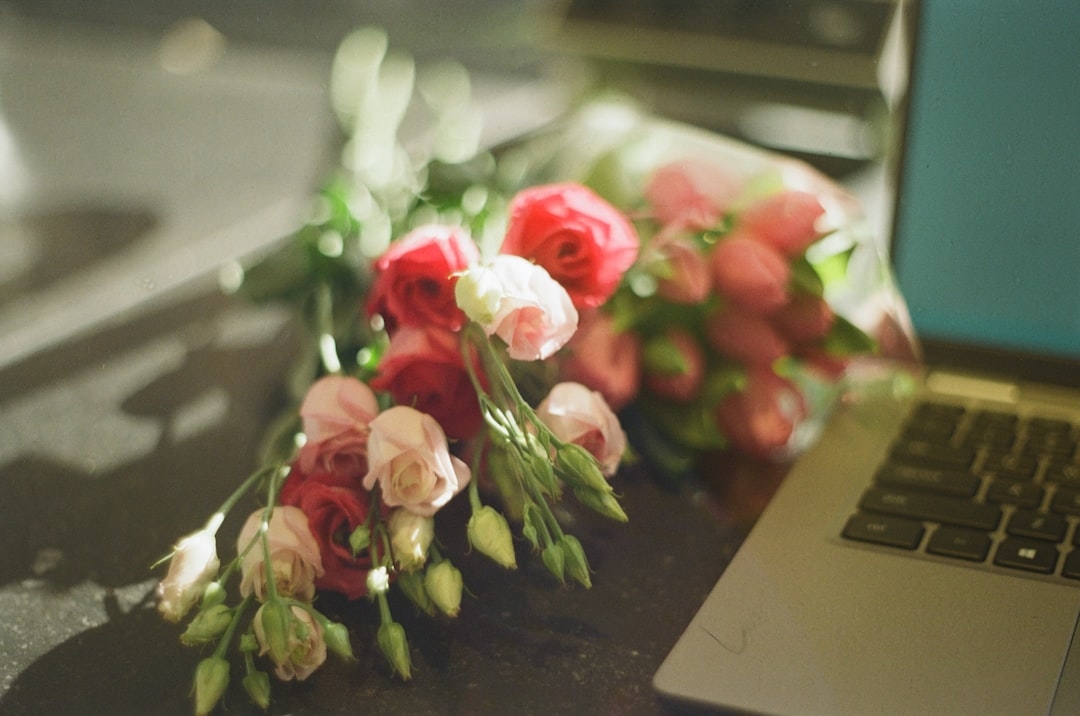
For a cook who loves entertaining and cares about how their kitchen and dining table look, a sophisticated arrangement in deep reds, burnt oranges, and warm yellows — think dahlias, garden roses, and amaranth — complements a food-forward aesthetic beautifully. This is where working with a florist pays off.
Expert tip: “When I’m building an arrangement for someone who cooks professionally or seriously at home, I lean toward asymmetrical, garden-style bouquets with texture,” says Margot Ellison, certified floral designer and co-owner of Stem & Table Studio in Portland, Oregon. “I’ll include things like rosemary sprigs, dried citrus slices, or seed pods alongside the flowers. It tells a story that a tightly bundled rose bunch never could.”
Edible Flowers vs. Herb Bouquets: Which Is Better?
A common point of confusion: should you gift edible flowers or a fresh herb bouquet? They’re often sold near each other at farmers markets, and both appeal to food lovers. Here’s the practical difference.
- Edible flower arrangements are primarily visual, with culinary use as a bonus. They work as a centerpiece first and a kitchen ingredient second. Shelf life is typically 3–5 days.
- Fresh herb bouquets are purely functional. Basil, thyme, parsley, and dill grouped together look beautiful but are meant to be used within days. They’re less of a “gift” and more of a generous grocery run.
- The sweet spot: a potted edible flower plant or a mixed arrangement that combines cut flowers with herb sprigs. This gives the cook something beautiful to display and something useful to harvest.
For most gift-giving situations, the potted plant wins on longevity and usefulness. A 4-inch pot of culinary lavender or a 6-inch nasturtium hanging basket keeps giving for an entire season.
Practical Tips for Buying Flowers for Cooks
- Always confirm edibility before gifting edible flowers. Only purchase from sources that explicitly label flowers as food-safe. Flowers from conventional florists are often treated with pesticides not approved for food use.
- Consider the season. Nasturtiums and borage peak in summer. Calendula blooms spring through fall. Lavender typically peaks in June and July in most US climates. Gifting in-season flowers means they’re fresher and often cheaper.
- Pair the flower with a recipe. Print or handwrite a simple recipe that uses the bloom — a lavender shortbread recipe, a nasturtium salad — and tuck it into the arrangement. This transforms the gift from decorative to experiential.
- Think about the cook’s kitchen aesthetic. A minimalist cook might prefer a single-variety arrangement in a clean ceramic vase. A maximalist cook might love an overflowing garden-style bouquet. The container matters as much as the flowers.
- Budget guide: A meaningful edible flower gift can be assembled for $20–$40. A premium custom florist arrangement runs $60–$120 in most US metro areas.
FAQ: Flowers for Cooks
What are the best edible flowers for cooking beginners?
Nasturtiums, violas, and calendula are the easiest to start with. They’re widely available, clearly identifiable, have distinctive flavors, and require no special preparation before eating.
Can you buy edible flowers at regular grocery stores?
Yes. Whole Foods, Sprouts, and many natural food co-ops carry packaged edible flower mixes, particularly in spring and summer. Farmers markets are another reliable source, and many vendors can confirm whether their flowers are pesticide-free.
Are all lavender varieties safe to cook with?
No. Only Lavandula angustifolia (English lavender) is recommended for culinary use. Other species can be more bitter or resinous. Always buy lavender labeled specifically as culinary-grade.
How long do edible flower arrangements last?
Cut edible flowers last 3–5 days in water at room temperature. Refrigerating them can extend their life by another 1–2 days, though some varieties like basil flowers will blacken in cold temperatures.
Is it better to give a potted flower plant or a cut flower bouquet to a cook?
A potted plant is almost always the more practical choice for a serious cook. It lasts far longer, can be grown outdoors or on a windowsill, and provides a continuous harvest of blooms throughout the growing season.
Make Your Gift Count: Start with One Flower
The best flowers for cooks aren’t necessarily the most expensive or the most elaborate. They’re the ones chosen with the cook’s actual habits in mind. Pick one flower that matches how they cook — something peppery if they love bold flavors, something fragrant if they’re a baker, something colorful if they care deeply about how food looks on a plate.
Start there. Add a handwritten recipe. Choose a pot over a vase if you can. That combination — one thoughtful flower, one specific use, one personal touch — will land better than any generic bouquet.




Add Comment