Contents:
- Why Flowers Matter So Much During Chinese New Year
- The Best Chinese New Year Flowers to Send
- Narcissus (Shui Xian Hua)
- Plum Blossoms (Mei Hua)
- Peach Blossoms (Tao Hua)
- Orchids (Lan Hua)
- Peonies (Mu Dan)
- Kumquat Trees (Jin Ju)
- What to Avoid: The Flowers That Send the Wrong Message
- Chinese New Year Flowers vs. Valentine’s Day Flowers: Don’t Confuse the Two
- A Reader Story: The Gift That Became a Tradition
- Practical Tips for Sending Chinese New Year Flowers in the US
- Frequently Asked Questions About Chinese New Year Flowers
- What is the most traditional flower for Chinese New Year?
- What colors should Chinese New Year flowers be?
- Can I send roses for Chinese New Year?
- Are potted plants better than cut flowers for Chinese New Year?
- Where can I buy Chinese New Year flowers in the US?
- Make Your Gift Count This Lunar New Year
You’ve been staring at the florist’s website for twenty minutes and you still don’t know what to order. You want to send something meaningful for Chinese New Year — not just a generic bouquet that could’ve been for any occasion. The problem? Most flower guides online are either too vague (“send something colorful!”) or written for a completely different cultural context.
Chinese New Year flowers carry deep symbolic weight. The wrong choice can send an unintended message. The right one? It can feel like a genuine expression of care and cultural respect that the recipient will remember long after the petals have fallen.
Here’s everything you need to know about chinese new year flowers — what they mean, where to find them, and how to send them in a way that actually lands.
Why Flowers Matter So Much During Chinese New Year
The Lunar New Year — which falls between late January and mid-February depending on the year — is a 15-day celebration rooted in themes of renewal, prosperity, and family reunion. Flowers aren’t just decoration. They’re living symbols. In Chinese culture, a blooming plant in the home during the new year is considered an omen of good luck for the months ahead.
This tradition is especially strong in southern China, Hong Kong, and among Chinese diaspora communities across the US. New Year flower markets, called hua shi or flower fairs, have been a fixture of the season for centuries. In cities like Los Angeles, San Francisco, and New York, these markets pop up in the weeks before the holiday, selling everything from mandarin orange trees to buckets of cut peonies.
The symbolic logic is straightforward: a flower that blooms right at the new year signals that abundance is coming. A plant that stays green and vigorous signals resilience. Color matters enormously — red and gold represent luck and wealth, while white is reserved for mourning.
The Best Chinese New Year Flowers to Send
Narcissus (Shui Xian Hua)
If there’s one flower that defines the season, it’s the narcissus. Called shui xian hua — literally “water fairy flower” — these delicate white blooms with yellow centers are grown in shallow dishes of water and pebbles, not soil. They’re timed to bloom exactly at the new year, and when they do, it’s considered extremely auspicious. A single bulb typically produces 3 to 5 fragrant stems over two to three weeks. You can find forcing kits at Asian grocery stores or specialty nurseries for around $8–$15.
Plum Blossoms (Mei Hua)
Plum blossoms bloom in the dead of winter, often while snow is still on the ground. That resilience is the whole point. Sending plum blossoms — whether as cut branches or a potted tree — expresses the wish that the recipient will thrive through hardship. Pink and red varieties are most popular for the new year. A potted mei hua tree from a Chinese nursery typically runs $25–$60.
Peach Blossoms (Tao Hua)
In Cantonese tradition especially, peach blossoms are the flower of the new year. They symbolize romance, luck, and new beginnings. Single people sometimes display them with the hope of finding love in the coming year. A branch of blooming peach blossoms — the kind sold at Lunar New Year flower markets — is one of the most culturally specific gifts you can send. Expect to pay $20–$40 for a good-sized branch from a specialty florist.
Orchids (Lan Hua)
Orchids represent refinement, fertility, and abundance. They’re also practical: a well-cared-for Phalaenopsis orchid can rebloom for three to four months, making it a gift that keeps giving well past the 15-day celebration. Deep pink, fuchsia, and red varieties are ideal for the new year. Most US florists carry them year-round, and prices range from $30 for a single-spike plant to $80+ for a multi-spike showpiece.
Peonies (Mu Dan)
The peony is the “king of flowers” in Chinese culture and a powerful symbol of wealth and honor. Lush, full-petaled peonies in red, coral, or deep pink make a stunning centerpiece arrangement. They’re also widely available from American florists in late January and February. A generous arrangement of 10–12 stems typically costs $65–$120 depending on your market.
Kumquat Trees (Jin Ju)
Technically a fruit tree rather than a flower, the kumquat deserves a mention here because it’s one of the most universally beloved Lunar New Year gifts. The word kumquat sounds like “gold luck” in Cantonese. A tree covered in bright orange-gold fruit placed near the front door is considered extremely auspicious. Miniature kumquat trees are available at Chinese supermarkets and garden centers for $25–$50 during the season.
What to Avoid: The Flowers That Send the Wrong Message
White chrysanthemums, white lilies, and any predominantly white floral arrangement are associated with funerals and mourning in Chinese culture. Yellow chrysanthemums also fall into this category. Even if you think the arrangement looks fresh and modern, the symbolism will overshadow the intention.
Similarly, avoid sending potted plants with roots that are bare or dying — this is seen as a bad omen. If you’re sending a potted plant, make sure it’s healthy, actively growing, or about to bloom.
Chinese New Year Flowers vs. Valentine’s Day Flowers: Don’t Confuse the Two
Here’s a common mistake: Lunar New Year and Valentine’s Day often fall within the same two-week window (Valentine’s Day is always February 14th; Lunar New Year shifts annually). Many florists will push red roses during both occasions, which can lead to confusion.
Red roses are not traditional Chinese New Year flowers. They’re a Western romance symbol, and while they won’t cause offense, they lack the cultural specificity that makes a Lunar New Year gift feel intentional. If you want to send something that clearly says “Happy New Year” rather than “I love you,” choose narcissus, orchids, peonies, or plum blossoms over a dozen long-stem roses.
A Reader Story: The Gift That Became a Tradition
A friend of mine — let’s call her Mei — told me about the first time her American coworker sent her family a Lunar New Year gift. The coworker had done his research and ordered a potted narcissus bulb from a Chinese specialty shop, timed to bloom right around the new year. “My mom literally teared up,” Mei said. “She couldn’t believe someone outside our family had taken the time to learn what it meant.” That narcissus lived on her mother’s kitchen windowsill for six weeks. The coworker became a standing dinner guest at every new year celebration after that.
That’s the power of getting this right. It’s not about being perfect — it’s about showing that you cared enough to learn something.
Practical Tips for Sending Chinese New Year Flowers in the US
- Order early. Specialty items like narcissus bulbs and peach blossom branches sell out fast. Order at least two weeks before the new year if you’re shipping.
- Choose local over national chains. Asian florists and Chinese supermarket floral departments carry seasonal items that 1-800-Flowers and Teleflora simply don’t stock.
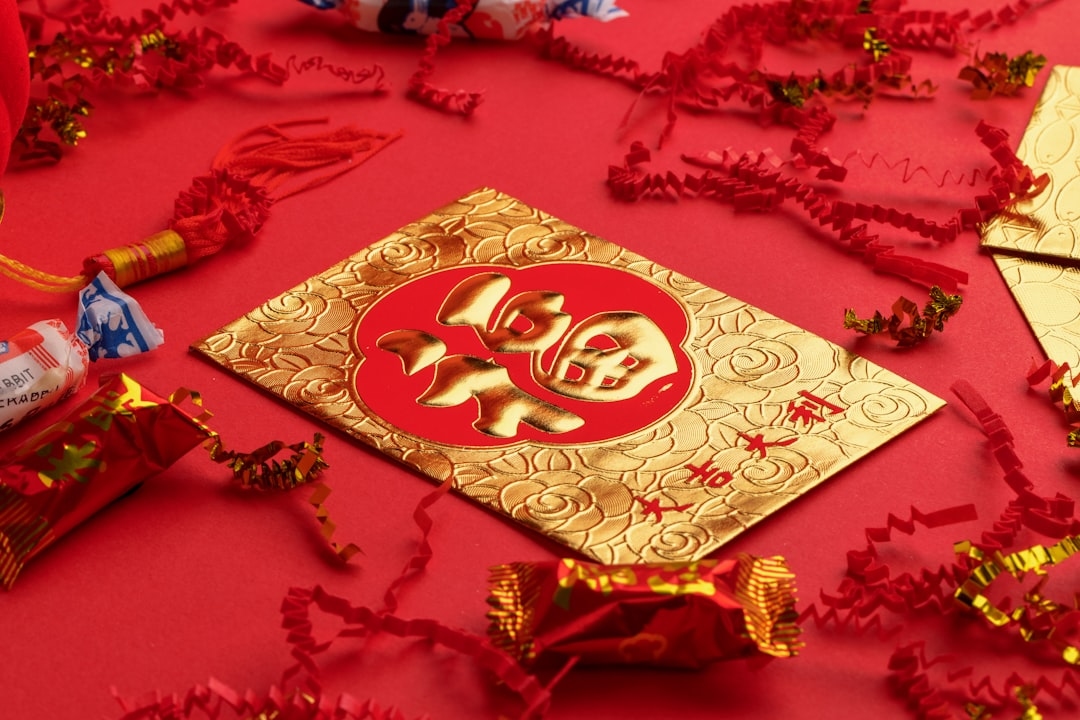
- Include a red envelope. Pairing flowers with a hongbao (red envelope) with even a small cash gift or gift card elevates the gesture significantly.
- Consider delivery timing. The most auspicious time to give flowers is during the first five days of the new year. Avoid delivering on the last day of the celebration (the Lantern Festival), when the mood shifts to farewell rather than welcome.
- Pot over cut. Potted or rooted plants are preferred because they represent sustained growth, not a short bloom that fades within days.
Frequently Asked Questions About Chinese New Year Flowers
What is the most traditional flower for Chinese New Year?
The narcissus (shui xian hua) is considered the most traditionally auspicious Chinese New Year flower. It is grown in water, timed to bloom at the new year, and symbolizes good luck and prosperity. Plum blossoms and peach blossoms are also highly traditional, especially in Cantonese culture.
What colors should Chinese New Year flowers be?
Red, pink, orange, gold, and fuchsia are all excellent choices. These colors represent luck, prosperity, and celebration. Avoid white and yellow flowers, which are associated with mourning and funerals in Chinese tradition.
Can I send roses for Chinese New Year?
Red roses won’t cause offense, but they’re not culturally specific to Lunar New Year. They carry stronger associations with Western romance (Valentine’s Day) than with new year celebration. For a more meaningful gift, choose orchids, peonies, plum blossoms, or narcissus instead.
Are potted plants better than cut flowers for Chinese New Year?
Yes. Potted plants with active roots or buds are generally preferred because they symbolize ongoing growth and sustained good fortune. A potted orchid or kumquat tree is considered more auspicious than a cut arrangement that will fade within a week.
Where can I buy Chinese New Year flowers in the US?
Asian supermarkets (H Mart, 99 Ranch Market, Hong Kong Supermarket), Chinese florists in major cities, and specialty online retailers like Yun Nan Sourcing carry season-specific chinese new year flowers. Local Chinatown flower markets in cities like San Francisco, Los Angeles, and New York are your best source for traditional varieties like narcissus bulbs and peach blossom branches.
Make Your Gift Count This Lunar New Year
The difference between a forgettable flower delivery and a genuinely meaningful one comes down to specificity. A narcissus bulb timed to bloom on New Year’s Day. A branch of pink plum blossoms from a Chinatown market. A deep fuchsia orchid in a red ceramic pot. These aren’t just pretty — they’re fluent in the language of the season.
Start at your nearest Asian grocery store or search for a Chinese florist in your city. If you’re ordering online, search specifically for “Lunar New Year flowers” rather than generic Valentine’s Day arrangements — you’ll get results that actually match the occasion. Place your order at least 10–14 days out, and you’ll have something worth giving.







Add Comment