
Contents:
- Why Flowers Work (The Science Behind It)
- Best Car Accident Recovery Flowers by Situation
- For a Hospital Room
- For At-Home Recovery
- For a Friend vs. a Colleague
- Budget Breakdown for Recovery Flower Arrangements
- Eco-Friendly Flower Options for the Conscious Sender
- Timing: When to Send Recovery Flowers
- What to Write on the Card
- Frequently Asked Questions
- What are the best flowers to send someone recovering from a car accident?
- Can you send flowers directly to a hospital?
- How much should I spend on recovery flowers?
- Are there eco-friendly flower options for sending after an accident?
- When is the best time to send flowers after a car accident?
- Sending the Right Message Through Flowers
Flowers have more power than most people give them credit for — the right arrangement sent at the right moment can genuinely shift someone’s emotional state during a difficult recovery. A car accident, even a minor one, is disorienting and painful. The person on the receiving end is often dealing with physical discomfort, insurance calls, and a bruised sense of security all at once. Sending car accident recovery flowers is one of the most immediate, tangible ways to say “I’m thinking of you” — but only if you choose wisely. The wrong bouquet can feel like an afterthought. The right one feels like a lifeline.
Why Flowers Work (The Science Behind It)
This isn’t sentimentality. A 2005 Rutgers University study found that flowers trigger immediate positive emotions in 100% of participants and produce long-term improvements in mood among seniors. For someone in a hospital bed or recuperating at home, that kind of emotional uplift has real value. Certain flowers also carry practical advantages: low-pollen varieties like hydrangeas and roses won’t aggravate respiratory sensitivities, which matters if someone is recovering from injuries that affect breathing or is on medications that heighten allergies.
The visual impact matters too. Bright, warm-toned arrangements — think sunflowers, gerbera daisies, and marigolds — are associated with energy and optimism. Cool-toned blooms like lavender and white lilies tend to feel calming and restful. Matching the tone of the arrangement to where the recipient is in their recovery is a small but meaningful detail.
Best Car Accident Recovery Flowers by Situation
For a Hospital Room
Hospital deliveries have constraints most people don’t think about. Many ICUs and surgical wards prohibit fresh flowers entirely due to infection control protocols — always call ahead before ordering. When flowers are permitted, opt for compact arrangements under 12 inches tall that won’t crowd a bedside table. Avoid strongly scented blooms like stargazer lilies or tuberose, which can cause nausea in patients on pain medication.
- Gerbera daisies — cheerful, low-pollen, long-lasting (7–10 days in a vase)
- Mini sunflowers — uplifting, sturdy, and reliably available year-round
- Alstroemeria — one of the longest-lasting cut flowers at 10–14 days, low scent
- Spray roses — compact, full-looking, and available in every color tone
For At-Home Recovery
Once someone is home, you have more room to send something generous. This is where a larger arrangement — a 16- to 20-stem mixed bouquet or a lush garden-style arrangement — really earns its keep. Peonies, garden roses, and ranunculus all photograph beautifully and last well in a home environment. If the recipient gardens themselves, they’ll appreciate thoughtful foliage choices like eucalyptus, fern fronds, or dusty miller alongside the blooms.
Consider pairing the flowers with a care package: a potted plant like a peace lily or a small herb garden extends the emotional lift far beyond the 7–10 days cut flowers survive. Potted options also feel less “sympathy gift” and more “long-term support.”
For a Friend vs. a Colleague
The relationship shapes the message. For a close friend, go personal — their favorite color, a bloom you know they grow in their garden, or a note that references a shared memory. For a colleague or acquaintance, a classic arrangement in neutral tones (whites, creams, soft yellows) with a simple handwritten card strikes the right professional-yet-warm note.
Budget Breakdown for Recovery Flower Arrangements
Spending more doesn’t always mean sending better. Here’s a practical breakdown by budget range:
- $25–$40: A small fresh bouquet from a grocery store florist or a single-stem arrangement. Sincere, but modest. Best for acquaintances.
- $50–$75: A medium arrangement from a local florist or national delivery service (1-800-Flowers, Teleflora, FTD). This range gets you 10–15 stems with decent vase quality.
- $80–$120: A full, professionally designed arrangement with quality filler foliage and a substantial vase. The sweet spot for close friends or family.
- $130+: Premium arrangements, specialty blooms (garden roses, peonies, protea), or add-on gifts like candles or chocolates. Reserve for someone you’re very close to or who had a serious accident.
Tip: Local florists nearly always deliver more stems per dollar than big national services. A $65 order from a neighborhood shop will often outshine a $90 order from a delivery platform in terms of freshness and volume.
Eco-Friendly Flower Options for the Conscious Sender
Cut flowers have a surprisingly large carbon footprint — roughly 80% of US-sold flowers are imported, primarily from Colombia and Ecuador, and air-freighted under refrigeration. If sustainability matters to you (and to the recipient), there are better choices. Look for florists certified by the Rainforest Alliance or participating in the Veriflora sustainability program. Domestic growers, especially those operating within USDA hardiness zones 6–9 in California, Florida, and the Pacific Northwest, offer seasonal stems that travel far shorter distances.
Dried flower arrangements are another strong eco-conscious option — they last months instead of days, produce zero ongoing waste, and have become genuinely stylish again. A dried arrangement featuring strawflowers, bunny tail grass, and preserved eucalyptus can be just as visually striking as fresh flowers and requires no water, no vase changes, and no eventual disposal guilt.
Potted native plants make the most sustainable choice of all. A small pot of lavender, a compact rosemary bush, or a blooming African violet can be planted in a garden after recovery — a meaningful, living reminder that things grow back.
Timing: When to Send Recovery Flowers
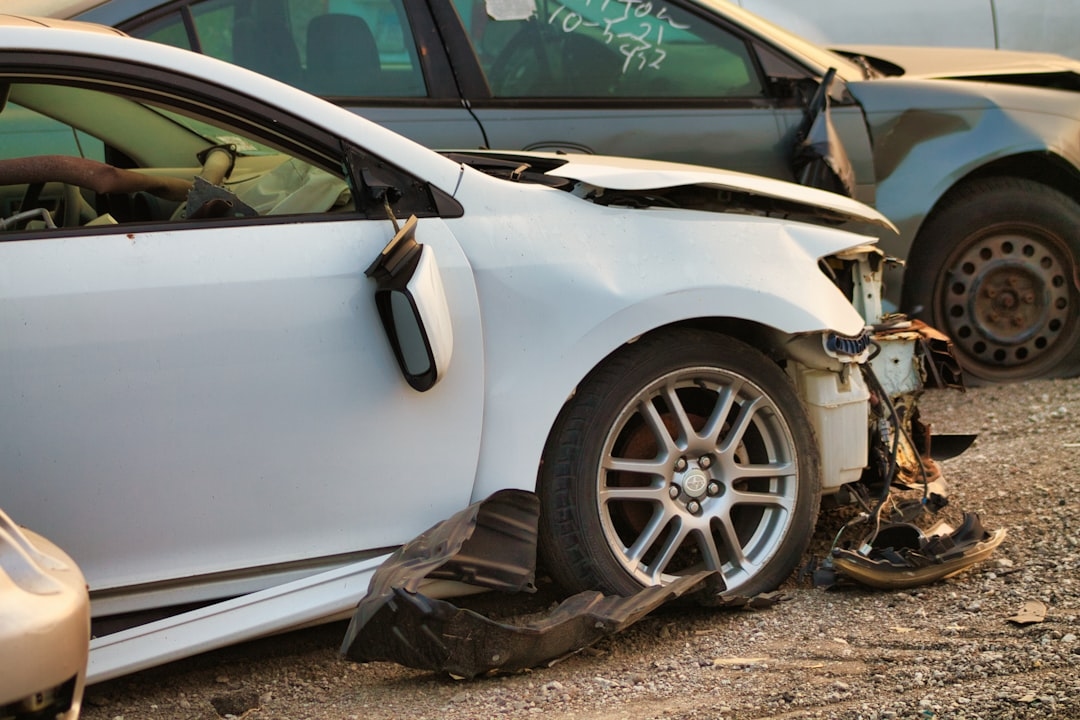
Timing matters more than most people realize. Sending flowers within 24–48 hours of learning about the accident communicates urgency and care. Waiting a week can unintentionally signal that it wasn’t a priority. That said, a second arrangement sent 2–3 weeks into recovery — when the initial outpouring of support has faded — can mean even more. Most people receive flowers in the immediate aftermath; very few receive them during the long, unglamorous middle stretch of healing.
If you’re unsure whether hospital delivery is appropriate, a home delivery scheduled for the day of discharge is almost always a safe, well-timed choice.
What to Write on the Card
The card is not an afterthought. Keep it specific and genuine. Avoid generic phrases like “wishing you a speedy recovery” — they read as filler. Instead, try something like: “Thinking of you every day — can’t wait to hear your voice when you’re up for a call” or “These are for the bravest person I know. Rest. Heal. I’ve got you.” Brief, personal, and human always lands better than polished and generic.
Frequently Asked Questions
What are the best flowers to send someone recovering from a car accident?
Gerbera daisies, alstroemeria, spray roses, and mini sunflowers are excellent choices. They’re low-pollen, long-lasting, and visually uplifting. Avoid highly fragrant flowers like stargazer lilies if the recipient is on pain medication or has respiratory sensitivities.
Can you send flowers directly to a hospital?
Yes, but call the hospital’s nursing station first. ICUs and some surgical wards prohibit fresh flowers due to infection control policies. Standard patient rooms typically allow them. Request a compact arrangement under 12 inches and low-scent blooms.
How much should I spend on recovery flowers?
For a close friend or family member, $80–$120 is a meaningful, substantial budget. For a colleague or acquaintance, $50–$75 is appropriate. Buying from a local florist rather than a national delivery service generally gets you better quality per dollar.
Are there eco-friendly flower options for sending after an accident?
Yes. Look for domestically grown seasonal flowers, florists certified by the Rainforest Alliance or Veriflora, dried flower arrangements, or potted native plants. These options significantly reduce the carbon footprint compared to imported, air-freighted cut flowers.
When is the best time to send flowers after a car accident?
Within 24–48 hours for an immediate show of support, or on the day of hospital discharge. A second arrangement sent 2–3 weeks into recovery, when initial support has waned, is often the most emotionally impactful timing of all.
Sending the Right Message Through Flowers
Choosing car accident recovery flowers thoughtfully — matching the blooms to the setting, timing the delivery with intention, and pairing them with a genuine handwritten note — transforms a gift from gesture into genuine comfort. Start with what you know about the person: their favorite colors, whether they have a garden, whether they’re more “wild meadow” or “clean white roses.” That knowledge, applied to a well-timed bouquet, will do more for their recovery than any generic arrangement ever could. When you’re ready to order, skip the default platform suggestions and call a local florist directly — tell them exactly who you’re sending to and why. You’ll get something far better than the algorithm would have picked.







Add Comment