Contents:
- Why Flowers Matter at a Confirmation
- Best Confirmation Ceremony Flowers by Symbolism
- White Roses
- Lilies of the Valley
- White Tulips
- Lavender and Soft Purple Blooms
- Stephanotis
- Bouquet Size and Budget: What to Actually Spend
- Confirmation Flower Traditions: Regional Differences Across the US
- Eco-Friendly Confirmation Flower Ideas
- Practical Tips for Buying and Presenting Confirmation Flowers
- FAQ: Confirmation Ceremony Flowers
- What is the traditional flower for a confirmation ceremony?
- How much should I spend on confirmation flowers?
- Are there flowers I should avoid giving at a confirmation?
- Can I give flowers to a boy being confirmed?
- When should I give confirmation flowers — before or after the ceremony?
Most people assume that confirmation ceremony flowers need to be elaborate, expensive arrangements to feel meaningful. A towering spray of white roses, maybe some lilies, something that looks like it belongs at a wedding. That assumption leads to overspending — and often, to choosing flowers that miss the personal significance of the moment entirely. The truth is, some of the most memorable confirmation gifts involve a single thoughtful bloom and a handwritten note.
White roses, lilies of the valley, and white tulips are the most traditional confirmation flowers, symbolizing purity and spiritual growth. For a budget-friendly bouquet, aim for 5–7 stems in white or soft lavender, paired with greenery. Expect to spend $20–$45 at a local florist or grocery store floral department. Keep reading for specific variety picks, regional tips, and eco-friendly options.
Why Flowers Matter at a Confirmation
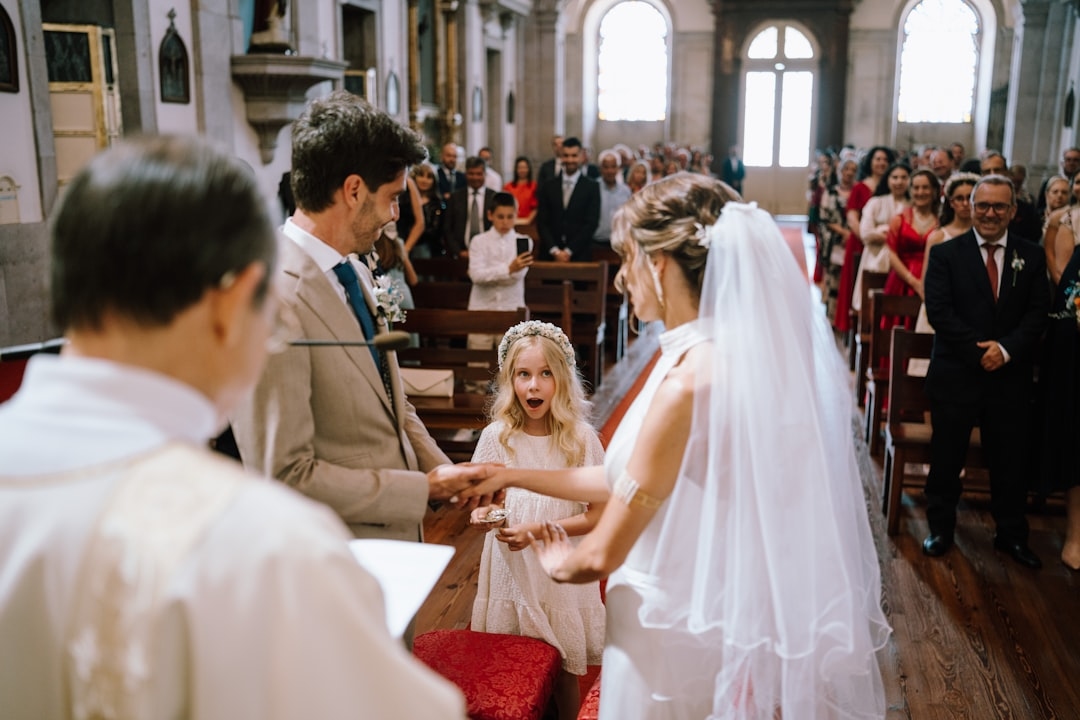
Confirmation is one of the most personally significant sacraments in the Christian tradition — a moment when a young person publicly affirms their faith. Unlike a birthday or graduation, this milestone carries deep spiritual weight. Flowers have been part of religious ceremony for centuries, not as decoration, but as living symbols. Their brief, beautiful life mirrors themes of grace, renewal, and devotion.
The confirmand is often nervous, dressed formally, surrounded by family. A bouquet handed to them after the ceremony is more than a gift — it’s a punctuation mark on the day. It says: I saw this moment. It mattered.
That meaning doesn’t require a $150 florist arrangement. It requires intention.
Best Confirmation Ceremony Flowers by Symbolism
Choosing flowers by their symbolic meaning adds a layer of depth that most recipients — and their parents — genuinely appreciate. Here are the top picks and what they represent:
White Roses
The classic choice for a reason. White roses represent purity, new beginnings, and reverence — all directly tied to the spiritual meaning of confirmation. A bouquet of 6 white spray roses (the smaller, multi-bloom variety) typically runs $18–$28 and looks fuller than long-stemmed varieties at the same price point.
Lilies of the Valley
Associated with the return of happiness and humility, lily of the valley has been used in religious ceremony for centuries. It’s delicate, fragrant, and distinctly meaningful. Note: it’s a seasonal flower, available primarily April through June, so it aligns beautifully with spring confirmation seasons. A small bunch of 10 stems costs around $12–$20 at a specialty florist.
White Tulips
An underrated option that signals forgiveness and worthiness — both themes relevant to confirmation. Tulips are widely available, budget-friendly (usually $1–$2 per stem), and hold up well in a mixed bouquet. They read as elegant without the price tag of roses.
Lavender and Soft Purple Blooms
Purple is the liturgical color of Lent and carries associations with royalty and spiritual devotion. Incorporating lavender stock, purple lisianthus, or soft purple alstroemeria into a white bouquet adds visual interest and symbolic resonance. Lisianthus in particular mimics the look of peonies or roses at a fraction of the cost — typically $4–$6 per stem.
Stephanotis
Often seen in bridal bouquets, stephanotis symbolizes marital happiness, but in a broader religious context it represents good luck and a blessed journey — fitting for a confirmand stepping into their faith. It’s a premium bloom, so use it as an accent rather than a primary flower.
Bouquet Size and Budget: What to Actually Spend
There’s no social contract requiring you to spend more than you’re comfortable with. Here’s a practical breakdown by budget tier:
- $15–$25: A hand-tied bunch of 5–7 white tulips or alstroemeria with eucalyptus. Simple, fresh, and elegant.
- $25–$45: A mixed bouquet with white roses, lavender stock, and greenery. Ask your florist for a “confirmation bouquet” — many have pre-designed options in this range.
- $45–$75: A designer arrangement in a keepsake vase, incorporating lily of the valley, white spray roses, and lisianthus. This doubles as a lasting gift since the vase stays.
Grocery store floral departments — Trader Joe’s, Whole Foods, Costco — often carry high-quality stems at 30–50% less than traditional florists. Assembling your own small bouquet from a few grocery store bunches is a genuinely smart move and rarely looks “cheap” when done with care.
Confirmation Flower Traditions: Regional Differences Across the US
Flower customs for religious ceremonies vary more by region than most people realize.
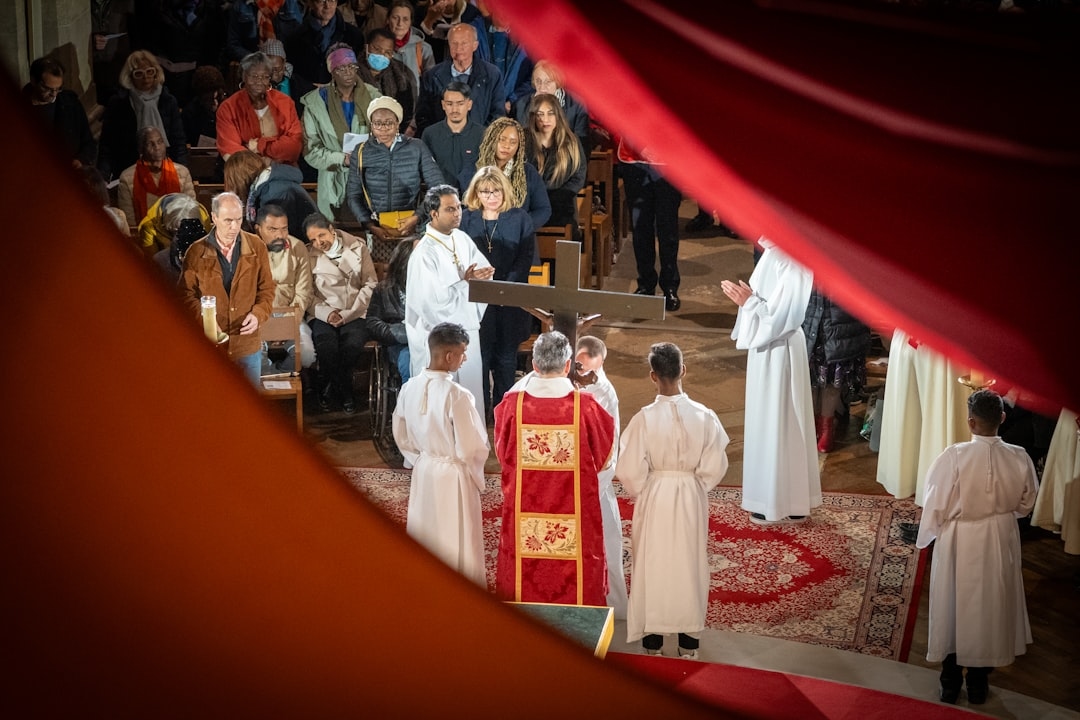
In the Northeast — particularly in Catholic communities in Massachusetts, New York, and Pennsylvania — white is dominant and arrangements tend to be more formal. A single long-stemmed white rose presented by a godparent is a common tradition in many Italian-American and Irish-American families.
In the South, particularly in Baptist and Methodist communities in states like Georgia and Tennessee, colorful wildflower-style bouquets are more accepted. Pastel pinks and creams mix with whites, and magnolia blooms make a stunning regional addition in late spring confirmations.
On the West Coast, especially in California, there’s a strong preference for locally grown, seasonal stems. Farmers market flowers — ranunculus, sweet peas, anemones — are popular and align with the region’s emphasis on artisanal, low-footprint living. A loosely wrapped market bouquet in kraft paper can feel both chic and intentional.
Eco-Friendly Confirmation Flower Ideas
If sustainability matters to you or the family, there are meaningful ways to make your floral gift greener without sacrificing beauty.
Look for flowers with a Rainforest Alliance or Fair Trade certification — many florists now stock these, and the labeling is usually visible. These certifications ensure fair wages for growers and reduced pesticide use.
Consider locally grown, in-season blooms. Flowers shipped from Colombia or the Netherlands travel thousands of miles before hitting your local shop. Buying from a regional grower or a farmers market dramatically cuts that carbon footprint. In USDA Hardiness Zones 6–9 (covering a large swath of the South, Mid-Atlantic, and West), spring confirmations land right in peak local bloom season.
Another option: a potted plant instead of cut flowers. A white orchid in a ceramic pot lasts for months, symbolizes long-lasting faith, and generates zero waste. A quality orchid from a garden center runs $18–$30 and makes a genuinely lasting impression.
Practical Tips for Buying and Presenting Confirmation Flowers
- Order 3–5 days ahead if using a florist, especially for spring confirmations when demand spikes.
- Request “no filler” — ask your florist to skip baby’s breath (which can feel dated) and substitute Italian ruscus or eucalyptus instead.
- Keep bouquets small and holdable. The confirmand will be standing, greeting guests, and posing for photos. A bouquet wider than 8–10 inches becomes unwieldy.
- Add a personal note. Attach a small card explaining why you chose those specific flowers. This context transforms a pretty bouquet into a meaningful one.
- Timing matters. Present flowers after the ceremony, not before — they can’t hold them during the service, and presenting them in front of the gathered family amplifies the moment.
FAQ: Confirmation Ceremony Flowers
What is the traditional flower for a confirmation ceremony?
White roses are the most traditional confirmation flowers, symbolizing purity and spiritual devotion. Lily of the valley and white tulips are also widely used. The color white dominates most traditional confirmation floral arrangements across Catholic and many Protestant denominations.
How much should I spend on confirmation flowers?
A thoughtful confirmation bouquet typically costs between $20 and $45. You don’t need to spend more than that to make an impression. Grocery store stems, assembled with care, can rival florist arrangements at half the price.
Are there flowers I should avoid giving at a confirmation?
Avoid red roses (too romantic), orange or bright red blooms (festive but spiritually incongruent), and heavily fragrant flowers like gardenias if the ceremony is in an enclosed space. Also skip flowers with negative traditional symbolism, like yellow carnations (disappointment) or marigolds (grief in some cultures).
Can I give flowers to a boy being confirmed?
Absolutely. A single long-stemmed white rose or a small boutonniere-style arrangement is a perfectly appropriate gift for a male confirmand. Alternatively, a small potted succulent or orchid avoids the “bouquet” association entirely while still marking the occasion with something living and meaningful.
When should I give confirmation flowers — before or after the ceremony?
Always after. The confirmand cannot hold flowers during the service, and presenting them afterward, in front of gathered family, creates a more memorable and ceremonial moment. Many families photograph this presentation, so timing it well makes the gift more visible and celebrated.
Confirmation is a once-in-a-lifetime milestone. The flowers you choose don’t need to shout — they need to resonate. Start with meaning, layer in beauty, and let your budget guide the scale rather than the spirit of the gesture. When in doubt, one perfect bloom chosen with intention will always outlast a forgettable arrangement chosen for size.








Add Comment