Contents:
- Why Brunch Flowers Make a Great Potluck Contribution
- The Best Brunch Flowers by Style and Season
- Light and Cheerful: Ranunculus and Anemones
- Classic Brunch Picks: Tulips and Garden Roses
- Seasonal Wildflowers and Herbs
- Regional Differences Worth Knowing
- Quick Budget Breakdown
- Common Mistakes to Avoid
- How to Present Brunch Flowers Like You Planned It
- FAQ: Brunch Flowers
- What are the best flowers to bring to a brunch potluck?
- Should I bring a vase with the flowers?
- Are there flowers I should avoid bringing to brunch?
- How much should I spend on brunch flowers?
- Can I bring a potted plant instead of cut flowers?
- Build Your Go-To Brunch Flower Rotation
Here’s a myth worth busting right away: you need to bring food to a potluck brunch. You don’t. A beautiful, thoughtfully chosen bouquet can be just as welcome — sometimes more so — than a ninth bowl of fruit salad. Brunch flowers are a genuinely great potluck contribution, and once you know what works, you’ll never show up empty-handed again.
The trick is knowing which flowers work. Not every bloom belongs on a brunch table. Some are too heavy, too fragrant, or just tonally wrong for a sunny late-morning gathering. This guide breaks it all down so you can walk in with confidence.
Why Brunch Flowers Make a Great Potluck Contribution
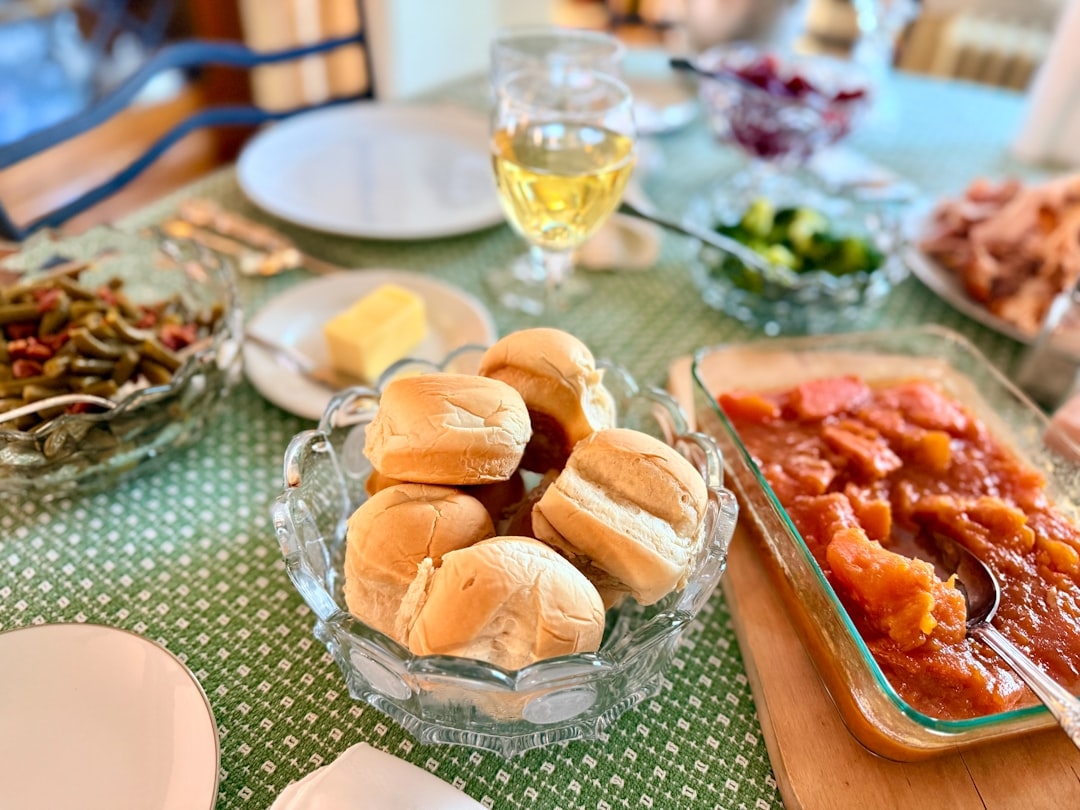
Potlucks have an unspoken hierarchy. Hot dishes get complicated. Desserts cause drama. But flowers? Nobody ever complained about flowers. They free up counter space, they make the table look intentional, and they require zero refrigeration or reheating.
Beyond the logistics, there’s a practical reason brunch flowers work so well: the timing. Brunch is a daytime event with natural light, which means flowers photograph beautifully and create an atmosphere that feels genuinely put-together. Your host gets to look like they planned everything. You get to take credit for helping.
The Best Brunch Flowers by Style and Season
Not all flowers suit every season or setting. Here’s a breakdown by what works best and when.
Light and Cheerful: Ranunculus and Anemones
Ranunculus are the unsung heroes of brunch flowers. Layered, delicate, and available in soft pinks, peach, cream, and white, they look expensive without actually being expensive. A bunch of 10 stems typically runs $8–$14 at a grocery store or farmers market. They’re long-lasting, low-scent, and play well with other blooms if you want to build a small mixed arrangement.
Anemones add a graphic punch — white petals with dark centers — that looks striking in simple glassware. They’re best in late winter through spring (roughly January through April), which makes them perfect for early-year brunches.
Classic Brunch Picks: Tulips and Garden Roses
Tulips are arguably the most universally appropriate brunch flower. They’re cheerful, widely available, and come in nearly every color. Single-color bunches of 10 stems cost $5–$10 at most supermarkets. One tip: buy them a day early so they open slightly by the time you arrive — fully closed tulips can look a bit stiff on a table.
Garden roses — not the long-stemmed florist variety, but the ruffle-petaled, fragrant kind — have a romantic, lived-in quality that suits brunch perfectly. Expect to spend $12–$20 for a small bunch, or more from a specialty florist. If scent is a concern (more on that below), stick to lightly fragrant or unscented varieties like David Austin’s ‘Keira’ or ‘Juliet’.
Seasonal Wildflowers and Herbs
A loose bundle of seasonal wildflowers — cosmos, sweet William, zinnias, or Queen Anne’s lace — feels effortless and informal, which is exactly the brunch energy. Pair them with a few sprigs of fresh herbs like rosemary or mint and you’ve got something that looks like it came from someone’s garden, even if it came from Trader Joe’s.
Regional Differences Worth Knowing
Where you live affects what’s available, affordable, and culturally expected. In the Northeast, spring brunches lean heavily on tulips, daffodils, and hyacinths — though hyacinths are intensely fragrant, so use them carefully (see the mistakes section). Southern hosts often appreciate magnolia branches, gardenias, or camellias for their local resonance, and grocery store bouquets tend to skew more tropical. On the West Coast, farmers markets are abundant year-round, which means locally grown ranunculus, protea, and California poppies are genuinely accessible options that feel regionally appropriate. If you’re in the Midwest, sunflowers and dahlias are crowd-pleasers that hold up well in transit.
Quick Budget Breakdown
- Under $10: Grocery store tulips, mini carnations, or a single-variety bunch of daisies or alstroemeria
- $10–$20: Ranunculus, mixed seasonal bouquets, farmer’s market wildflowers
- $20–$40: Garden roses, peonies (in season), a small arranged bouquet from a local florist
- $40+: Custom florist arrangement, rare seasonals like dahlias or anemone mixes in off-season
For most potluck brunches, the $10–$20 range hits the sweet spot. You’re not underdoing it, and you’re not making anyone uncomfortable with an over-the-top gesture.
Common Mistakes to Avoid
Bringing heavily fragrant flowers. Lilies, hyacinths, and gardenias can overwhelm a dining table. Strong scents compete with food aromas and can trigger headaches or allergies. If fragrance is unavoidable, place the arrangement away from the food.
Forgetting a vase. This is the most common brunch flower mistake. Your host is juggling food, drinks, and guests — they should not also have to hunt for a container. Bring your flowers in a mason jar, a simple glass vase, or even a wrapped water-filled plastic sleeve. A $3 mason jar from the dollar store solves the problem completely.
Choosing flowers that wilt quickly. Poppies and sweet peas are beautiful but notoriously short-lived once cut. At a three-hour brunch, you may watch them droop in real time. Stick to hardier choices like chrysanthemums, alstroemeria, or carnations if you’re worried about longevity.
Matching the host’s existing decor — badly. If you know your host has a very specific aesthetic (all-white minimalist, or aggressively maximalist), try to bring flowers that fit rather than clash. When in doubt, white or cream blooms work everywhere.
How to Present Brunch Flowers Like You Planned It
Unwrap flowers from store plastic before you arrive. Trim stems at a 45-degree angle right before you place them in water — this improves uptake significantly. Add a packet of flower food if one came with your bunch. If you’re arranging in a mason jar, odd numbers (5, 7, 9 stems) look more natural than even numbers. Vary stem heights slightly so the arrangement has some dimension.
You don’t need a florist’s skill set. You just need 10 minutes and a pair of scissors.
FAQ: Brunch Flowers
What are the best flowers to bring to a brunch potluck?
Ranunculus, tulips, and seasonal wildflowers are top choices for brunch flowers. They’re light, relatively unscented, widely available, and appropriately casual for a daytime gathering. Garden roses work well too, especially in spring and summer.
Should I bring a vase with the flowers?
Yes, always. A mason jar or simple glass vase (under $5) prevents your host from scrambling to find a container. It also makes the gift feel complete and thoughtful rather than like an afterthought.
Are there flowers I should avoid bringing to brunch?
Avoid strongly scented flowers like lilies, hyacinths, and gardenias near food. Also skip flowers with high pollen (like open lilies) that can stain tablecloths, and fragile blooms like poppies that wilt quickly indoors.
How much should I spend on brunch flowers?
For a potluck brunch, $10–$20 is a comfortable range. A grocery store bunch of ranunculus or tulips in that price range looks generous without being over-the-top. Add a $3 mason jar and you’ve got a complete, well-received gift.
Can I bring a potted plant instead of cut flowers?
A small potted herb (like basil, mint, or a mini rosemary plant) can work beautifully as a brunch contribution — it’s practical, fragrant in a food-friendly way, and lasts beyond the event. Just keep it small (a 4-inch pot is ideal) so it doesn’t dominate the table.
Build Your Go-To Brunch Flower Rotation
Once you’ve shown up with great brunch flowers once, you’ll want a reliable rotation. Pick two or three go-to blooms — say, tulips in spring, zinnias in summer, ranunculus in fall and winter — and learn where to buy them at their freshest in your area. Farmers markets usually beat grocery stores for quality; grocery stores usually beat florists for price. Finding your local sweet spot takes one or two tries, and then you’ve got a repeatable, low-effort move that always lands well at the table.







Add Comment