Contents:
- Why Book Club Flowers Are Worth Thinking About
- The Best Flowers for a Book Club Meeting, by Occasion
- For a Regular Monthly Meeting
- For a First Meeting or New Host
- For a Book-Themed Floral Gift
- A Seasonal Calendar for Book Club Flowers
- Eco-Friendly and Sustainable Flower Options
- Practical Tips Before You Buy
- FAQ: Book Club Flowers
- What is the best flower to bring to a book club meeting?
- How much should I spend on flowers for a book club host?
- Are potted plants better than cut flowers for book clubs?
- Should I bring flowers to every book club meeting or just special occasions?
- What flowers should I avoid bringing to a book club?
- Make It a Group Tradition
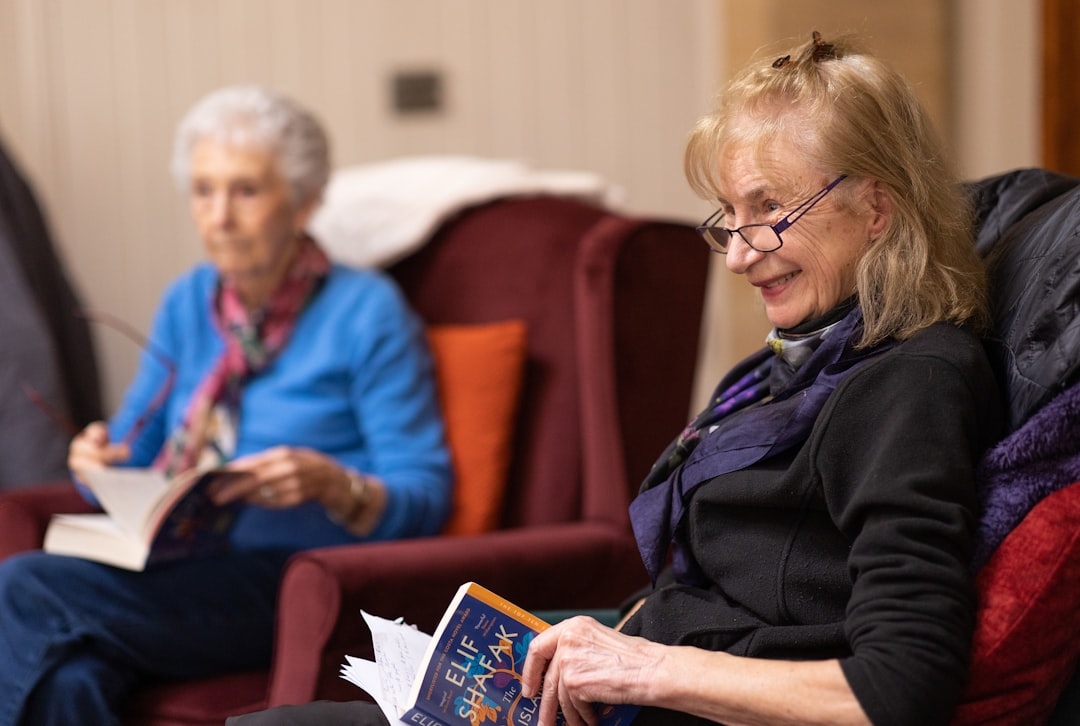
The moment you walk into a book club meeting carrying a small bouquet of book club flowers, the room shifts — there’s a fragrance, a color, a living thing that signals this gathering matters. Flowers at a literary meetup aren’t just decoration. They’re conversation starters, mood setters, and quiet compliments to the host who spent three hours making quiche and rereading chapter twelve.
But which flowers, exactly? The choice is more interesting than it sounds. Flower selection communicates intent — celebration, comfort, curiosity, whimsy — and the right bloom can even tie into the book itself. Here’s a science-backed, practically grounded guide to making that call well.
Why Book Club Flowers Are Worth Thinking About
Flowers aren’t biologically arbitrary. Research published in Evolutionary Psychology found that receiving flowers produces immediate positive affect and longer-term mood improvement in recipients. A small bunch of fresh-cut stems does measurable psychological work. For a book club host who’s coordinated snacks, chosen the venue, and possibly printed discussion questions, that work is noticed.
The average bunch of grocery-store flowers costs between $8 and $15, while a small arrangement from a local florist typically runs $20–$35. Neither requires a significant investment. What it does require is a little advance thought — which is exactly what this article is for.
The Best Flowers for a Book Club Meeting, by Occasion
For a Regular Monthly Meeting
Keep it relaxed and seasonal. Alstroemeria (Peruvian lily) is an excellent default: it lasts 10–14 days in a vase, comes in a wide range of colors, and costs around $6–$10 for a grocery-store bunch. It reads as cheerful without being over-the-top. Carnations — unfairly maligned — last up to three weeks and carry genuine fragrance. A monochromatic bundle of pale pink or burgundy carnations looks far more sophisticated than their gas-station reputation suggests.
For a First Meeting or New Host
When you’re attending for the first time or bringing flowers to a host you don’t know well, neutral is smart. White or cream dahlias signal elegance without presumption. A bundle of green button mums or eucalyptus branches is even safer — botanical, aromatic, and easy to style with whatever the host already has in their home.
For a Book-Themed Floral Gift
This is where it gets genuinely fun. Matching the flowers to the novel adds a layer of intentionality that book lovers particularly appreciate.
- Classic literature (Austen, Dickens): Roses, lavender, or sweet peas — all period-appropriate to English gardens.
- Magical realism (García Márquez, Allende): Bold tropical blooms like birds of paradise or heliconia.
- Scandinavian or Nordic fiction: White anemones, birch branches, or dried wildflowers.
- Contemporary domestic fiction: Simple sunflowers or a mixed meadow bunch — unpretentious, warm, familiar.
- Mystery or thriller: Deep burgundy dahlias or near-black “Queen of the Night” tulips for atmosphere.
A Seasonal Calendar for Book Club Flowers
Buying in season means better quality and lower prices — often 30–50% cheaper than out-of-season imports. Here’s a practical reference by US season:
- Spring (March–May): Tulips, ranunculus, peonies, sweet peas, daffodils. Peak availability and value.
- Summer (June–August): Zinnias, sunflowers, dahlias, lavender, lisianthus. Local farm stands are your best friend.
- Fall (September–November): Marigolds, chrysanthemums, late-season dahlias, dried grasses and seed heads.
- Winter (December–February): Amaryllis, paperwhites, forced branches (quince, forsythia), dried florals.
A reader named Margot, a longtime member of a Chicago book club, once brought a handful of dried strawflowers and seed pods to a November meeting — things she’d grown herself and dried over the summer. The host kept them on her mantle for four months. Longevity matters more than freshness when the gesture is thoughtful enough.
Eco-Friendly and Sustainable Flower Options
Conventional cut flowers carry a significant carbon footprint: approximately 80% of flowers sold in the US are imported, primarily from Colombia and Ecuador, traveling by air. For book clubs with environmentally conscious members — common in many literary circles — a sustainable choice can be a quiet signal of shared values.
Look for:
- Certified flowers: The Rainforest Alliance and VeriFlora certifications indicate responsible growing practices. Some Trader Joe’s and Whole Foods locations carry certified stems.
- Local farm stands and farmers markets: Especially May through October in most US regions. Zero air miles, and the variety is often extraordinary.
- Potted plants instead of cut flowers: A small potted herb (rosemary, basil, mint) or flowering plant like an African violet or mini orchid lasts indefinitely and produces no waste.
- Dried or preserved flowers: Zero transport refrigeration required, and they work beautifully in winter when fresh local options are scarce.
Practical Tips Before You Buy
A few details that separate a good flower gift from a forgettable one:
- Bring them vase-ready: Trim stems at a 45-degree angle and bring the bouquet in a small amount of water if possible. Many hosts are mid-chaos when guests arrive and can’t immediately find scissors and a vase.
- Check for fragrance sensitivity: Highly fragrant flowers (stargazer lilies, tuberose, gardenias) can trigger migraines or allergies in sensitive individuals. When in doubt, choose low-fragrance options like tulips, dahlias, or ranunculus.
- Odd numbers look better: Florists follow this rule for a reason. A bundle of 5 or 7 stems is visually more dynamic than 6 or 8.
- Match the scale to the space: A large formal arrangement for a small apartment living room can feel overwhelming. Aim for a bouquet that fits naturally in a standard 8–10 inch vase.
- Include a short note: Even a sticky note saying “For [host name] — loved the book choice” transforms a transactional gesture into something personal.
FAQ: Book Club Flowers
What is the best flower to bring to a book club meeting?
Alstroemeria and ranunculus are both excellent all-purpose choices — affordable, long-lasting, and available year-round. For a more thematic gift, match the bloom to the book’s setting or mood.
How much should I spend on flowers for a book club host?
Between $10 and $25 is appropriate for most settings. A well-chosen $12 bunch of in-season tulips or sunflowers outperforms a generic $30 mixed arrangement every time.
Are potted plants better than cut flowers for book clubs?
For a host gift, yes — potted plants (mini orchids, succulents, herb pots) last longer and produce no floral waste. For a general group gathering, cut flowers create more immediate visual and sensory impact.
Should I bring flowers to every book club meeting or just special occasions?
There’s no obligation, but rotating the gesture among group members — each person brings something to their hosting turn — creates a lovely ritual without pressure on any one person.
What flowers should I avoid bringing to a book club?
Avoid heavily fragrant varieties like stargazer lilies, tuberose, or gardenias if you don’t know your group’s sensitivities. Also avoid very short-lived flowers like sweet peas unless they’ll be arranged immediately, as they wilt within 3–5 days even with proper care.
Make It a Group Tradition
The most elegant solution for regular book clubs is to build flowers into the hosting role itself — whoever hosts brings or provides a small floral element, budgeting it alongside the snacks. This distributes the cost (typically $10–$20 per meeting), ensures the space always has a fresh, welcoming touch, and removes the guesswork for guests entirely. Some groups go further and theme the flowers to each book, which adds a genuinely delightful layer to the pre-meeting setup. It’s a small ritual, but small rituals are exactly what make a recurring gathering feel worth returning to.






Add Comment