
Contents:
- Why Flower Choice Matters When Saying Sorry to a Friend
- The Best Sorry Flowers for a Friend
- White Tulips — Sincerity Without Pretense
- Lavender — Calm and Acknowledgment
- Pink Hyacinths — A Request for Forgiveness
- Yellow Roses — Friendship and Warmth
- White Chrysanthemums — Loyalty and Honesty
- Comparing Sorry Flowers: Roses vs. Tulips for an Apology
- Eco-Friendly Apology Flowers: Making Your Sorry Sustainable
- Common Mistakes to Avoid When Choosing Apology Flowers
- Practical Tips for Putting Together an Apology Arrangement
- FAQ: Sorry Flowers for a Friend
- What flowers say sorry to a friend?
- Is it appropriate to send flowers as an apology?
- What color flowers are best for an apology?
- How much should I spend on apology flowers for a friend?
- What flowers should I avoid when apologizing to a friend?
You’re standing in a flower shop, the cool air carrying the scent of eucalyptus and fresh-cut stems, and you’re trying to figure out which bouquet says I’m sorry without saying the wrong thing. Choosing the right sorry flowers for a friend is more nuanced than grabbing whatever’s nearest to the door. The bloom you pick carries centuries of symbolic meaning — and your friend, whether she knows it or not, will feel the difference between a hasty bunch of carnations and a thoughtfully assembled arrangement of white tulips and soft lavender.
Flowers have served as emotional messengers since the Victorian era, when the language of flowers — known as floriography — gave people a structured vocabulary for feelings too delicate to speak aloud. Today, that tradition lives on in quieter ways. The right apology bouquet can soften tension, signal genuine remorse, and open the door to a real conversation. The wrong one can feel dismissive or careless.
This guide walks through the best flower choices for an apology, what each communicates, how to pair them effectively, and what to avoid.
Why Flower Choice Matters When Saying Sorry to a Friend
Friendships carry their own emotional vocabulary. Unlike a romantic relationship, where red roses might signal both love and apology, a friendship requires something warmer and less loaded. The best apology flowers for a friend tend to lean toward soft hues — whites, pale pinks, lavender, and muted yellows — rather than deep reds or bold oranges, which can feel either romantic or confrontational depending on context.
Color psychology research consistently links soft pastels with feelings of calm, sincerity, and openness. A 2020 study published in Color Research & Application found that pale pink and white tones are most often associated with tenderness and reconciliation. That’s not coincidence — it’s why florists consistently recommend these palettes for apology arrangements.
The Best Sorry Flowers for a Friend
White Tulips — Sincerity Without Pretense
White tulips are perhaps the most honest apology flower available. They carry a direct meaning: forgiveness sought, new beginnings offered. A single bunch of 10–12 white tulips costs roughly $18–$28 at most US flower shops, making them accessible without feeling cheap. They’re also one of the cleaner, longer-lasting options — in a cool room, white tulips hold their shape for 7–10 days, giving your gesture time to breathe.
Lavender — Calm and Acknowledgment
Fresh lavender bundles or lavender-toned arrangements communicate something subtle but powerful: I understand I caused you distress, and I want to bring peace back. Lavender has documented calming properties — its scent has been shown to reduce cortisol levels in short-term exposure studies — and that secondary sensory layer adds emotional depth to an apology. It pairs beautifully with white ranunculus or cream-colored freesia.
Pink Hyacinths — A Request for Forgiveness
In floriography, pink hyacinths specifically represent a plea for forgiveness. They’re a spring bloom (available fresh January through April in most US markets) and carry a sweet, slightly spiced fragrance that’s welcoming rather than overwhelming. For a friend who appreciates meaningful symbolism, pink hyacinths land with clarity.
Yellow Roses — Friendship and Warmth
Yellow roses are one of the most misunderstood flowers in the apology context. Many people avoid them, associating yellow with jealousy or indifference — an old and largely outdated interpretation. In contemporary American floral culture, yellow roses firmly represent friendship, warmth, and joy. Sending a dozen yellow roses to a friend says: our friendship matters to me, and I want it back. A standard dozen runs $30–$50 depending on stem length and your location.
White Chrysanthemums — Loyalty and Honesty
Chrysanthemums are a workhorse of the floral world, and white varieties in particular speak to loyalty and truth. For a friendship rift caused by dishonesty or a lapse in judgment, white chrysanthemums carry a quietly powerful message. They’re also one of the most sustainable choices available — chrysanthemums are among the least pesticide-intensive blooms to grow commercially and are widely available from domestic US growers in USDA hardiness zones 5–9.
Comparing Sorry Flowers: Roses vs. Tulips for an Apology
A common source of confusion: should you send roses or tulips? Both are popular, both are widely available, but they land very differently in a friendship context.
Red roses carry unmistakable romantic weight — even in platonic contexts, they can introduce an awkward undertone. White roses are more appropriate, symbolizing purity and new beginnings, but they can feel slightly formal or funereal depending on arrangement style. White tulips, by contrast, are soft, unambiguous, and carry none of the romantic coding that roses do. For a friendship apology specifically, tulips are typically the stronger choice. They feel personal without being intense, and they’re easier to interpret correctly.
Eco-Friendly Apology Flowers: Making Your Sorry Sustainable
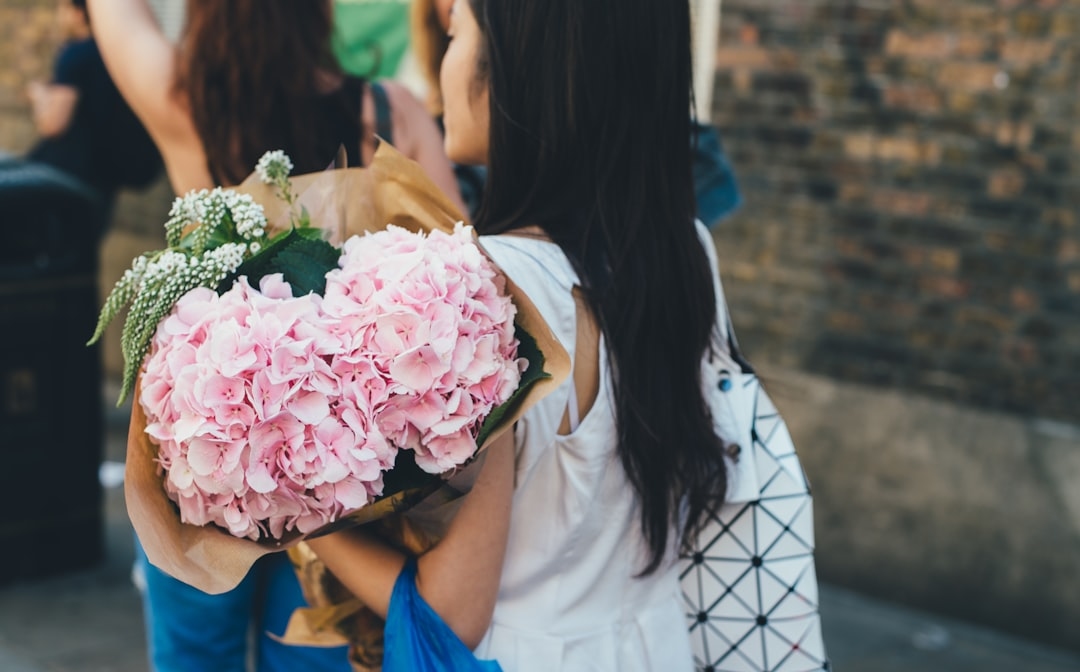
If your friend is environmentally conscious, the sourcing of your flowers matters as much as the species. Approximately 80% of cut flowers sold in the US are imported, primarily from Colombia and Ecuador, and conventional cut flower production involves significant pesticide use. Choosing locally grown, seasonal blooms — or certified sustainable options bearing the Rainforest Alliance or Fair Trade USA label — signals that your apology extends to shared values, not just the immediate situation.
Ask your florist specifically for domestic or certified flowers. Farmer’s markets and local flower farms (searchable via slowflowers.com) often carry seasonal apology-appropriate blooms like locally grown lavender, sweet peas, or zinnias depending on your region and the time of year.
Common Mistakes to Avoid When Choosing Apology Flowers
- Sending red roses to a close female friend: Unless your friendship is explicitly comfortable with that aesthetic, red roses introduce romantic ambiguity that complicates the apology.
- Ignoring allergies or scent sensitivities: Strongly scented flowers like stargazer lilies or gardenias can cause real discomfort. When in doubt, ask — or go with a lower-fragrance option like tulips or chrysanthemums.
- Relying on size alone: A massive, expensive arrangement doesn’t automatically communicate more remorse than a small, thoughtful bunch. Meaning comes from the selection and the accompanying note, not the volume of petals.
- Skipping the note: Flowers without words leave too much open to interpretation. A handwritten card — even two sentences — completes the message. Without it, even the most carefully chosen blooms can feel impersonal.
- Buying out of season: Out-of-season flowers are more likely to be imported, less fresh, and more expensive. Seasonal choices are better quality and often more sustainable.
Practical Tips for Putting Together an Apology Arrangement
Budget between $30 and $60 for a meaningful arrangement. Below that threshold, options become limited and arrangements can look sparse. Above it, the gesture can start to feel like you’re buying your way out rather than expressing genuine regret.
For a same-day delivery in most US metro areas, services like 1-800-Flowers, Teleflora, and local florist networks can deliver within a 4–6 hour window if ordered before noon. A local florist will almost always produce a more thoughtful, fresh arrangement than a national online order — and you can specify exact blooms and colors.
Keep the arrangement compact and intentional. A hand-tied bouquet in white, soft pink, and lavender — wrapped in kraft paper rather than cellophane — looks considered and personal. Avoid overly structured formal arrangements, which can feel clinical rather than warm.
FAQ: Sorry Flowers for a Friend
What flowers say sorry to a friend?
White tulips, pink hyacinths, lavender, yellow roses, and white chrysanthemums are the strongest choices. Each carries a meaning related to sincerity, forgiveness, or friendship, making them more appropriate than red roses in a platonic context.
Is it appropriate to send flowers as an apology?
Yes. Flowers are widely accepted as a gesture of apology in American culture. They work best when paired with a written note that acknowledges the specific issue — flowers alone can feel ambiguous without accompanying words.
What color flowers are best for an apology?
Soft, muted tones perform best: whites, pale pinks, and lavender. These are psychologically associated with calm, sincerity, and reconciliation. Bold reds and oranges can read as aggressive or romantic, which is generally counterproductive in a friendship apology context.
How much should I spend on apology flowers for a friend?
A thoughtful arrangement typically runs $30–$60 at most US florists. Spending significantly more can make the gesture feel performative; spending less may result in arrangements that look sparse or hasty. The quality and meaning of the selection matter more than the price tag.
What flowers should I avoid when apologizing to a friend?
Avoid red roses (too romantic), strongly scented lilies if your friend has sensitivities, and any arrangement that feels generic or grab-and-go. Yellow chrysanthemums in some cultural contexts are associated with grief, so unless you know your friend’s background, stick to white or pink varieties.
When you hand over that carefully chosen bunch of white tulips or lavender-laced stems, you’re offering more than flowers — you’re offering a reopened door. Pick something that means what you need it to mean, add a few honest words on a card, and let the gesture do the quiet work it’s been doing for centuries.








Add Comment