
Contents:
- Why Sibling Loss Calls for a Different Kind of Sympathy Flower
- The Best Flowers to Send for Sibling Loss Sympathy
- White Roses and Garden Roses
- Hydrangeas
- Stargazer Lilies and Asiatic Lilies
- Lisianthus
- Forget-Me-Nots and Wildflower Accents
- What the Pros Know: The Florist Insider Tip
- A Reader Story: When the Flowers Actually Helped
- Budget Breakdown: What to Expect to Spend
- Practical Tips for Sending Sympathy Flowers for Sibling Loss
- Timing Matters More Than Most People Think
- Include a Handwritten Note, Not a Card
- Consider Potted Plants as a Long-Term Alternative
- Check Delivery Logistics Before You Order
- Frequently Asked Questions
- What flowers are most appropriate for sibling loss sympathy?
- Is it better to send flowers to the funeral home or to the house?
- What should I write on the card when someone loses a sibling?
- How much should I spend on sympathy flowers for a sibling loss?
- Are there flowers I should avoid sending for a sibling loss?
- Make Your Choice Count
Choosing sibling loss sympathy flowers is one of those tasks that stops you mid-scroll, unsure whether you’re picking the right thing for one of the most singular griefs a person can experience. Losing a sibling isn’t like losing a parent or a spouse — it’s losing someone who knew you before you knew yourself. The person who shared your childhood home, your inside jokes, your family mythology. That kind of loss deserves more than a generic “get well” bouquet grabbed from a grocery store endcap.
This guide walks you through exactly what to send, why certain flowers matter more than others in this context, and how to make a meaningful choice even when words — and decisions — feel impossible.
Why Sibling Loss Calls for a Different Kind of Sympathy Flower
Most sympathy flower guides treat grief as one-size-fits-all. They’re not wrong that white lilies and roses are appropriate — but “appropriate” is a low bar when someone has just lost their brother or sister. Sibling relationships are uniquely long. Statistically, siblings share more years together than with any other family member, often 60 to 80 years across a lifetime. That depth of history changes what a condolence gesture should communicate.
The goal with sibling loss sympathy flowers isn’t just to express sorrow. It’s to acknowledge the specific, irreplaceable nature of what’s been lost. Arrangements that feel personal, unhurried, and genuinely beautiful do more emotional work than a standard FTD standing spray. Think about the difference between a hand-tied garden bouquet with texture and layers versus a foam-backed arrangement that looks identical to every other one at the funeral home. The former says: I thought about you specifically.
The Best Flowers to Send for Sibling Loss Sympathy
White Roses and Garden Roses
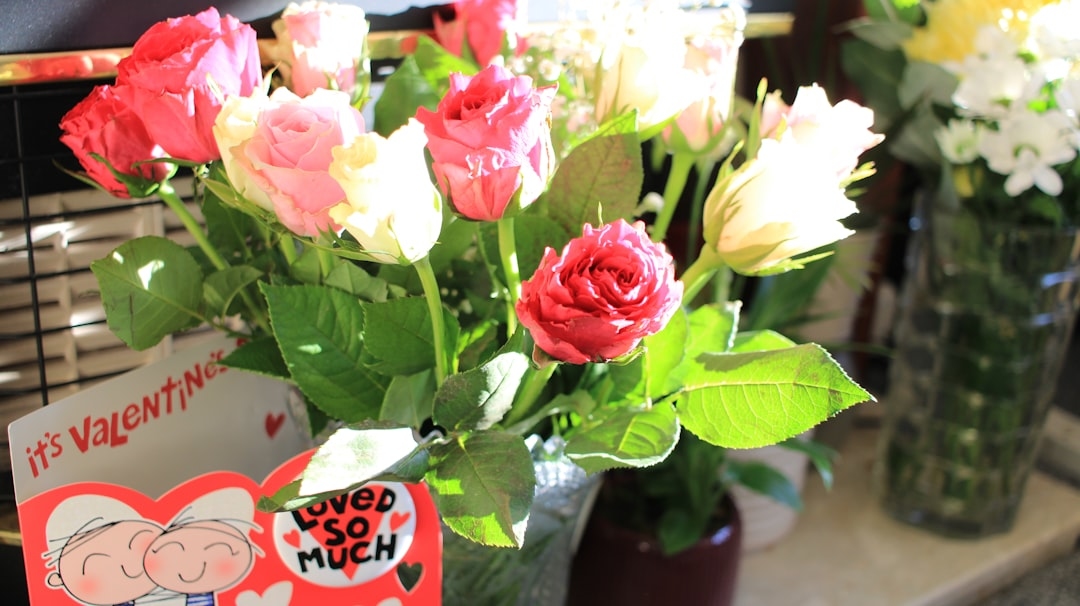
White roses carry centuries of meaning around innocence, remembrance, and eternal love. For a sibling loss, a mixed arrangement of white garden roses — think varieties like ‘Patience’ or ‘Polar Star’ — paired with eucalyptus and soft greenery feels both timeless and personal. Garden roses are fuller and more fragrant than standard hybrid tea roses, which makes them feel less “funeral” and more like something the recipient would actually want in their home after the service.
Hydrangeas
Hydrangeas are an underused sympathy flower. Their soft, voluminous clusters in white, pale blue, or blush convey abundance and heartfelt emotion — which is exactly right for a relationship defined by years of shared experience. A hydrangea-forward arrangement is also visually impactful without being loud, which matters when someone is processing grief in their home for days after a service.
Stargazer Lilies and Asiatic Lilies
Lilies are traditional in sympathy contexts for good reason: their strong fragrance fills a room and their open blooms are visually arresting. Stargazer lilies in particular carry a meaning of sympathy and encouragement — a small but meaningful distinction. One caveat: if the recipient has cats, skip the lilies entirely. All parts of true lilies (genus Lilium) are highly toxic to cats, and this is worth noting in your order instructions or choosing a cat-safe alternative like lisianthus.
Lisianthus
If you’ve never heard of lisianthus, you’re not alone — but florists love it. It resembles a cross between a rose and a peony, blooms in white, purple, and soft pink, and carries a meaning of appreciation and gratitude for a lifetime of memories. It’s also long-lasting: lisianthus holds well for 10 to 14 days in a vase, meaning the grieving person won’t watch it wilt within a week.
Forget-Me-Nots and Wildflower Accents
For a more informal sibling relationship — particularly if the siblings were close in age and grew up doing everything together — adding forget-me-nots or small wildflower clusters brings a personal, almost nostalgic quality to an arrangement. It says memory and intimacy rather than formal condolence.
What the Pros Know: The Florist Insider Tip
What the Pros Know: When ordering sympathy flowers for a sibling loss, ask your florist specifically for a “reception arrangement” rather than a “funeral arrangement.” Reception arrangements are designed to live in a home — they’re typically lower-profile, wider, and built to last without water-soaking foam. They also tend to use more varied, interesting blooms because they’re not competing with dozens of standing sprays at a service. Your $80 reception arrangement will likely make more of an impression than a $150 formal standing spray — and it’s what the grieving person will actually see every morning for a week.
A Reader Story: When the Flowers Actually Helped
A reader named Priya shared this after losing her younger brother to a sudden illness: “Everyone sent lilies to the funeral home. I barely saw them. But my college roommate sent a hand-tied bouquet of white garden roses and eucalyptus to my apartment — timed to arrive the day after the service. I remember sitting at my kitchen table, completely hollowed out, and just staring at them for twenty minutes. They smelled incredible. They were so alive. It was the first moment I cried properly.”
That timing — arriving after the service rather than during — is a deliberate strategy worth considering. The days following a funeral are often lonelier than the service itself, and a bouquet that arrives then carries enormous emotional weight.
Budget Breakdown: What to Expect to Spend
- $40–$60: A modest but meaningful hand-tied bouquet from a local florist or 1-800-Flowers; expect 8–12 stems with basic greenery. Appropriate for acquaintances or coworkers of the bereaved.
- $70–$100: A fuller arrangement with premium blooms (garden roses, hydrangeas, lisianthus); solid choice for friends and extended family.
- $110–$160: A statement arrangement or a curated sympathy gift set (flowers plus a candle or keepsake); appropriate for close friends or when you were also close to the deceased sibling.
- $175+: Custom arrangements from boutique florists; reserved for immediate family connections or when you want to make a lasting impression. At this level, ask for seasonal, locally sourced blooms for the best quality.
Delivery fees typically run $15–$25 for local florists and are often included (or reduced) with services like Teleflora or UrbanStems for orders above $75.
Practical Tips for Sending Sympathy Flowers for Sibling Loss
Timing Matters More Than Most People Think
Send flowers within 72 hours of learning of the death, or plan a delayed delivery for 5–7 days after the service. Avoid the middle window (days 2–4 post-service) when the household is often overwhelmed with visitors and food.
Include a Handwritten Note, Not a Card
Online florists default to a printed card. Upgrade to a handwritten note tucked into the arrangement — or send a separate card via mail. Mention the sibling by name. Say one specific thing you remember about them, or one specific thing you admire about the person grieving. Generic condolences are kind; specific ones are remembered.
Consider Potted Plants as a Long-Term Alternative
A potted peace lily, orchid, or succulent arrangement lasts months or years — unlike cut flowers. For someone losing a sibling, something living that they can tend to can be a gentle, ongoing reminder that life continues. Peace lilies specifically thrive in low-light indoor conditions and require watering only once a week, making them low-maintenance even for someone deep in grief.
Check Delivery Logistics Before You Order
If the recipient is traveling for services or staying somewhere other than their primary home, confirm the delivery address. Many florists allow address updates up to 24 hours before delivery. Most major services (FTD, 1-800-Flowers, Teleflora, UrbanStems) also allow you to schedule a specific delivery date up to two weeks in advance.
Frequently Asked Questions
What flowers are most appropriate for sibling loss sympathy?
White garden roses, hydrangeas, lisianthus, and stargazer lilies are among the most appropriate sibling loss sympathy flowers. They convey remembrance, warmth, and lasting affection — which suits the depth and intimacy of a sibling relationship. Avoid overly bright or celebratory arrangements unless the family has specifically requested a “celebration of life” aesthetic.
Is it better to send flowers to the funeral home or to the house?
Sending to the house — especially a few days after the service — is generally more meaningful. Funeral homes receive many arrangements simultaneously, and individual bouquets can get lost. A delivery to the recipient’s home arrives when they most need comfort and will be seen and appreciated fully.
What should I write on the card when someone loses a sibling?
Keep it personal and specific. Mention the sibling’s name. Acknowledge the particular pain of this type of loss (“There’s no one else who knew you the way they did”). Avoid platitudes like “they’re in a better place” unless you know the family’s religious views align with that sentiment. A short, genuine message is always better than a long, formulaic one.
How much should I spend on sympathy flowers for a sibling loss?
For a close friend, $70–$120 is a reasonable range. For a coworker or acquaintance, $40–$65 is appropriate. For a best friend or someone you were also close to the deceased sibling, $125–$175 reflects the significance of the relationship. Add a personal note regardless of budget — it’s the detail most recipients remember.
Are there flowers I should avoid sending for a sibling loss?
Avoid all-yellow arrangements (which can read as celebratory rather than sympathetic), and skip flowers with very short vase life like tulips or anemones unless you know they’ll be enjoyed immediately. If the household has cats, avoid all true lilies (Lilium spp.), which are fatally toxic to cats. Opt for lisianthus or roses as a safe, beautiful alternative.
Make Your Choice Count
You don’t need to find the perfect flower to send a perfect message. What matters is that you sent something — that you showed up in a tangible, sensory way for someone navigating one of the hardest losses life hands us. Pick an arrangement that feels like you, order it with a specific delivery window in mind, and write something real on the card. That combination, more than any particular bloom, is what a grieving person will carry with them.
If you’re still unsure, call a local florist and describe the relationship — yours with the bereaved, and theirs with their sibling. A skilled florist will translate that into something worth sending. That’s what they do best.









Add Comment