Contents:
- Why Flower Choice Matters More Than You Think
- The Most Meaningful Grieving Flowers by Type
- White Lilies
- Chrysanthemums
- Roses
- Hydrangeas
- Orchids
- Regional Differences Worth Knowing
- What to Avoid Sending
- Eco-Friendly Options for the Sustainably Minded
- Practical Tips for Ordering and Delivery
- Frequently Asked Questions
- What are the most appropriate flowers for a funeral?
- Is it better to send flowers to the funeral home or the family’s house?
- How much should I spend on sympathy flowers?
- Are there flowers I should never send for grief?
- What’s a long-lasting alternative to cut flowers for sympathy?
- Making the Most of Your Gesture
Most people believe white lilies are the only appropriate grieving flowers — and that belief leads to thousands of identical arrangements showing up at funeral homes every week. The truth is more nuanced, more personal, and honestly, more interesting. The right flowers depend on the relationship, the family’s background, and even where in the country you’re sending them.
Grief is not one-size-fits-all. Neither should the flowers be.
Why Flower Choice Matters More Than You Think
Sending flowers after a loss is one of the oldest forms of condolence. Archaeological evidence suggests flowers were placed in burial sites as far back as 62,000 years ago. But cultural weight aside, the practical reality is this: a well-chosen arrangement can genuinely comfort a grieving person. A poorly chosen one — or worse, one that triggers an allergy or arrives wilted — adds friction during an already painful time.
Sympathy flowers serve two functions. First, they signal presence — you acknowledged the loss. Second, they bring living beauty into a space often heavy with sorrow. Knowing both functions helps you choose better.
The Most Meaningful Grieving Flowers by Type
White Lilies
Stargazer and Casablanca lilies dominate sympathy arrangements for good reason. Their strong fragrance fills a room, and their large blooms make a visual statement. One caveat: lilies are toxic to cats. If you know the recipient has feline pets, skip them entirely and choose something safer.
Chrysanthemums
In the United States, white chrysanthemums are strongly associated with sympathy and funerals. They’re long-lasting — often staying fresh for 14 to 21 days — which makes them practical for families who will be receiving visitors over several days. A dozen white mums can cost as little as $15 to $25 at a local florist, making them one of the most budget-friendly sincere options available.
Roses
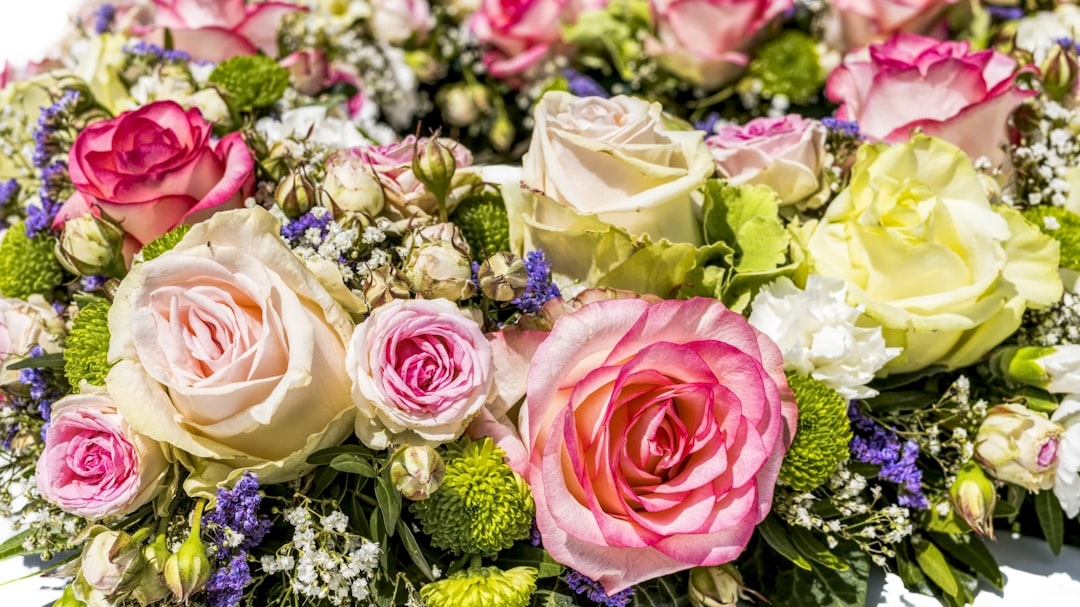
White roses signal reverence and remembrance. Pale pink roses communicate gentle affection and admiration. Red roses, while beautiful, carry romantic connotations and are generally better saved for other occasions. A tight cluster of 12 white roses in a simple vase reads as elegant without being showy — appropriate for most losses.
Hydrangeas
Full, lush, and relatively affordable for their visual impact, hydrangeas are an underused choice for sympathy arrangements. Blue and white varieties read as calm and serene. A single stem can contain dozens of tiny florets, giving arrangements a generous, comforting fullness that feels substantial without requiring a large budget.
Orchids
A potted orchid — particularly a white Phalaenopsis — is an excellent choice when you want to send something that lasts beyond the first week of mourning. A single-stem plant typically runs $25 to $45 and can bloom for 8 to 12 weeks. It also doubles as a living memorial the recipient can keep and tend.
Regional Differences Worth Knowing
Flower customs aren’t uniform across the US, and getting this right shows genuine thoughtfulness.
In the Northeast, formal sympathy arrangements tend toward classic whites and creams — think lilies, white roses, and snapdragons. Understated elegance is the norm, especially in more traditional communities. Larger, bolder arrangements can sometimes read as excessive rather than generous.
In the South, arrangements are often more abundant and fragrant. Gardenias, magnolias, and large mixed bouquets featuring multiple flower types are welcomed. Color — soft peach, blush, even pale lavender — is more acceptable in Southern sympathy contexts than in many other regions. Scent matters: a fragrant arrangement is a feature, not a liability.
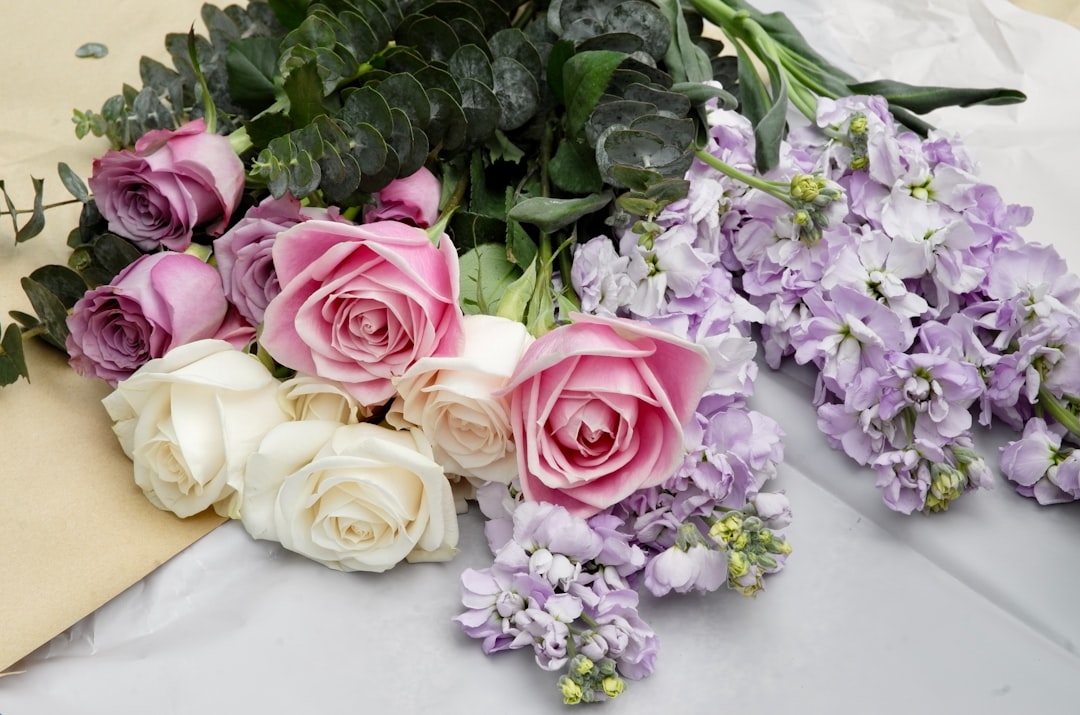
On the West Coast, there’s a notable shift toward more natural, garden-style arrangements. Loose, organic compositions featuring locally grown flowers, eucalyptus, and dried elements feel more authentic than formal florist-style sprays. Eco-conscious recipients in California or the Pacific Northwest often appreciate arrangements that don’t include tropical imports or dyed blooms.
What to Avoid Sending
Not every beautiful flower belongs in a sympathy arrangement.
- Brightly colored tropical flowers — birds of paradise and anthuriums read as celebratory, not comforting.
- Sunflowers in isolation — cheerful by nature, they can feel tone-deaf unless specifically requested by the family.
- Heavily dyed or artificially colored flowers — blue roses, rainbow carnations, and similar novelty items undercut the sincerity of the gesture.
- Arrangements with balloons or stuffed animals — these are for celebrations, not grief.
- Flowers with no card — always include a handwritten note, even just two sentences. An anonymous arrangement, however beautiful, leaves the recipient without the comfort of knowing who cared enough to send it.
Eco-Friendly Options for the Sustainably Minded
The cut flower industry has a significant environmental footprint. Approximately 80% of cut flowers sold in the US are imported, primarily from Colombia and Ecuador, which involves substantial air freight emissions. If the recipient — or you — cares about sustainability, there are better options.
Look for florists who source from domestic growers or hold a Rainforest Alliance or VeriFlora certification. Locally grown seasonal flowers reduce transportation emissions substantially. In spring and early summer across much of the US, you can find beautiful domestic peonies, ranunculus, and lisianthus that rival imported varieties in quality.
Potted plants are inherently more sustainable than cut flowers. A potted white orchid, a small peace lily, or a dwarf gardenia produces no ongoing waste and can live for years. The peace lily in particular has earned its place as a sympathy staple: it’s easy to care for, thrives in low light, and produces elegant white blooms with minimal intervention.
Practical Tips for Ordering and Delivery
Timing matters as much as flower selection. Aim to send flowers within 48 to 72 hours of learning about the death. After the first week, many families return to quiet routine and may actually appreciate a delivery more than they would have during the busy initial days of mourning.
When ordering online, always call the receiving florist directly if the order is for a funeral home. Confirm the viewing or service dates and times — you want the arrangement to arrive before or during the service, not after. Most reputable local florists can accommodate same-day delivery for orders placed before noon.
Budget guidance: a meaningful arrangement doesn’t require spending $100 or more. A focused $45 to $65 budget at a local florist — not a national chain’s website, which often charges significant service fees — can produce a genuinely beautiful piece. Tell the florist your budget upfront and let them guide the composition. They’ll often stretch your dollar further than any preset online option.
Frequently Asked Questions
What are the most appropriate flowers for a funeral?
White lilies, white chrysanthemums, and white roses are the most traditionally appropriate choices for funerals in the US. They signal respect and remembrance without competing for attention. For a more personal touch, incorporate the deceased’s favorite flower regardless of color.
Is it better to send flowers to the funeral home or the family’s house?
Send to the funeral home if you want the arrangement present during the service. Send to the family’s home if you want to offer comfort during the days of private mourning that follow. Home deliveries 5 to 10 days after the service can be especially meaningful, when the crowd of support has thinned.
How much should I spend on sympathy flowers?
A thoughtful arrangement costs between $45 and $75 at a local florist. Close family members or long-term friends might spend $80 to $150. Acquaintances or colleagues can send something sincere for $35 to $50. The gesture matters more than the price.
Are there flowers I should never send for grief?
Avoid brightly colored tropical flowers, novelty dyed blooms, and arrangements that include balloons or non-floral decorations. These read as celebratory rather than comforting and can feel jarring to a grieving family.
What’s a long-lasting alternative to cut flowers for sympathy?
A potted white orchid or peace lily is an excellent long-lasting alternative. Both are easy to care for, thrive indoors, and can live for months or years — serving as an ongoing living memorial rather than an arrangement that fades within a week.
Making the Most of Your Gesture
The best sympathy flower arrangement is one that arrives on time, suits the recipient’s taste and circumstances, and comes with a sincere note. Before you place an order, take 60 seconds to consider: Does this person have pets? Do they live alone with limited space? Are they environmentally conscious? Would they prefer something they can plant in a garden come spring?
Those 60 seconds will get you further than any preset “sympathy collection” on a national florist website. Call a local florist, tell them your budget and what you know about the recipient, and trust their expertise. That’s how you send flowers that actually mean something.







Add Comment