Contents:
- Why Rehab Recovery Flowers Are Different From Other Floral Gifts
- The Best Rehab Recovery Flowers by Meaning and Vase Life
- Sunflowers: Steady, Bright, Unstoppable
- White and Yellow Daisies: Simplicity With Depth
- Alstroemeria: The Flower of Friendship and Support
- Snapdragons: Strength and Graciousness
- Peonies: Healing and Good Fortune
- What to Avoid
- A Seasonal Guide to Sending Recovery Flowers
- Expert Tip: Build Around the Person, Not the Occasion
- Practical Tips for Ordering and Delivering Recovery Flowers
- Order From a Local Florist When Possible
- Time the Delivery Thoughtfully
- Include a Handwritten Note — Not a Printed Card
- Consider a Potted Plant as an Alternative
- FAQ: Rehab Recovery Flowers
- What flowers are best to send someone coming out of rehab?
- Is it appropriate to send flowers to someone leaving a rehab facility?
- How much should I spend on recovery flowers?
- Should I send flowers to a sober living house or the person’s home?
- What color flowers are most appropriate for a recovery celebration?
- Make the Gift Count — Then Keep Showing Up
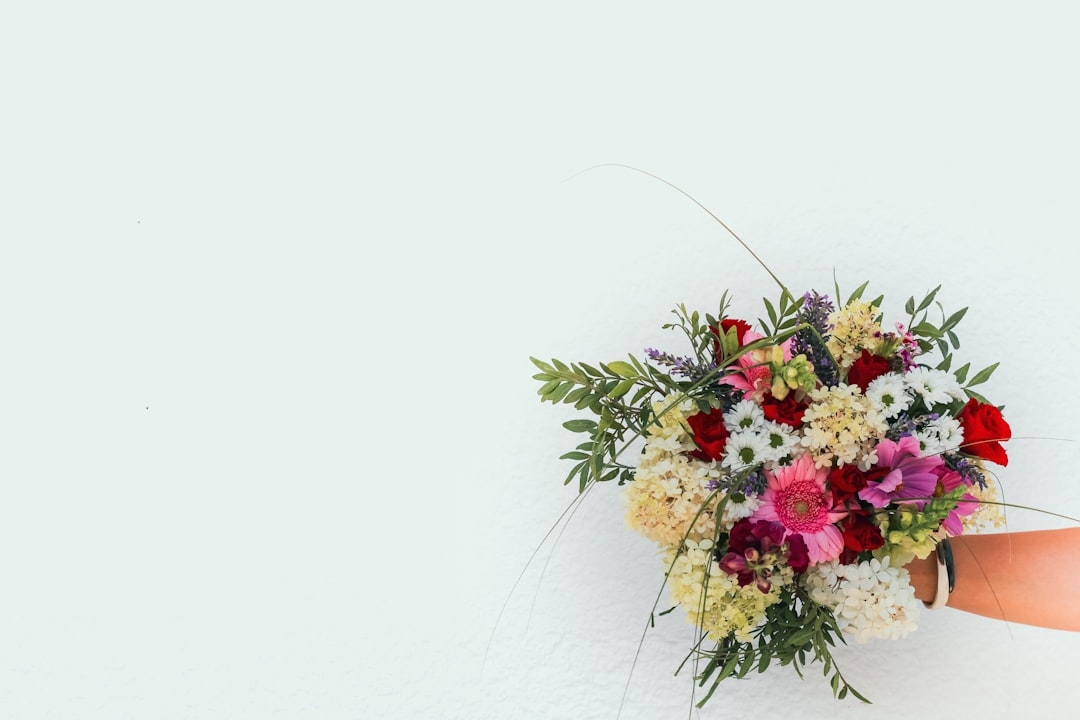
Choosing rehab recovery flowers for someone you care about is one of the most thoughtful gestures you can make — and one of the most surprisingly tricky ones to get right. You want to say “I’m proud of you” without being patronizing. You want color and life, not something that screams “get well soon.” You want a bouquet that feels like a fresh start, not a hospital room. That tension is real, and you’re not alone in feeling it.
Flowers have been used as emotional messengers for centuries. The Victorian practice of floriography — assigning meaning to specific blooms — wasn’t just romantic whimsy. It reflected something deeply human: the need to communicate what words sometimes can’t carry. A person stepping out of a rehabilitation program has done something extraordinarily hard. The right arrangement honors that without making it weird.
This guide breaks down exactly which flowers to choose, what they symbolize, how to time your gift across seasons, and how to make the whole thing land perfectly.
Why Rehab Recovery Flowers Are Different From Other Floral Gifts
A birthday bouquet and a recovery bouquet serve completely different emotional functions. Birthday flowers celebrate a calendar event. Recovery flowers mark a personal transformation — one that took courage, discipline, and pain. That distinction should shape every choice you make, from bloom selection to vase color to the note you include.
There’s also a practical layer. Many people leaving inpatient programs return to homes or sober living environments where strong fragrances can be overwhelming, especially if they’re managing medication sensitivities or heightened sensory responses. Heavily perfumed flowers like tuberose or gardenia, while beautiful, can sometimes be too much. Opt for moderate-scent or low-scent varieties unless you know the person well and are confident they’ll love it.
Finally, longevity matters here more than in most floral contexts. You want this gift to last. A bloom that wilts in two days sends an unintentional message. Choose flowers with strong vase life — typically 7 to 14 days — so the arrangement keeps brightening their space through the first challenging week at home.
The Best Rehab Recovery Flowers by Meaning and Vase Life
Sunflowers: Steady, Bright, Unstoppable
Sunflowers are the single most universally positive flower you can send. They face toward light — literally, through a process called heliotropism — and that symbolism is hard to beat. A classic sunflower has a vase life of 6 to 12 days, and a mixed arrangement anchored by three to five sunflower stems costs roughly $45–$75 from most US floral delivery services. Yellow is energizing without being frenetic. It says “the sun is still there” in a way that requires no explanation.
White and Yellow Daisies: Simplicity With Depth
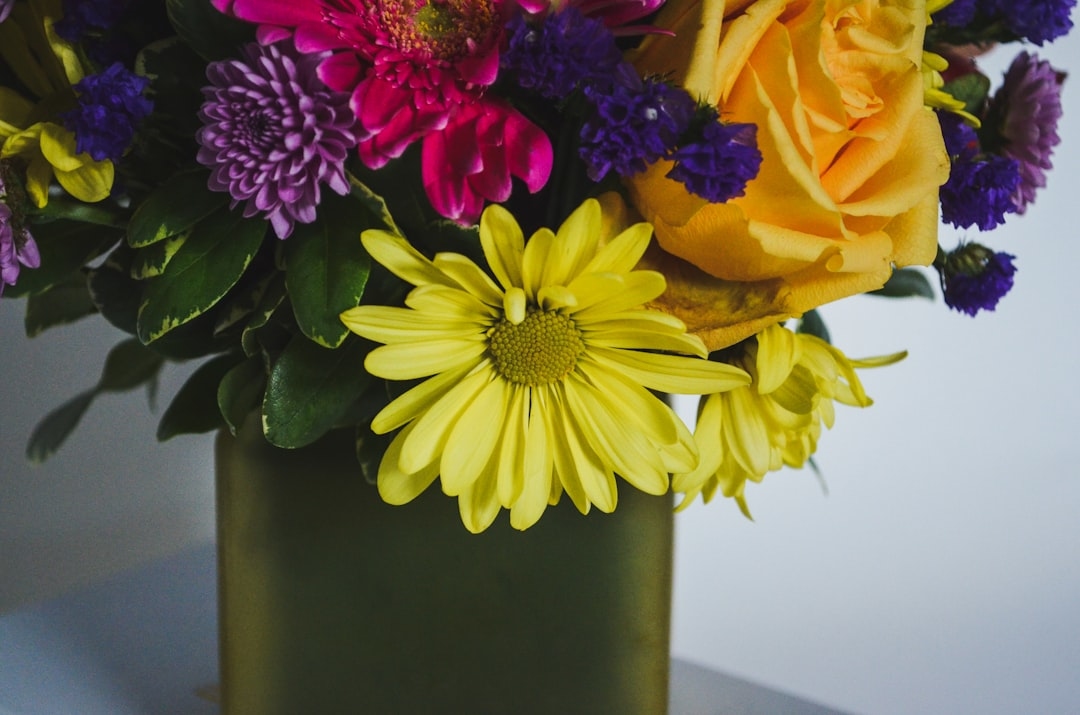
Daisies represent new beginnings and innocence — the idea that a person can start fresh, completely. Shasta daisies and Gerbera daisies both hold well in water (up to 14 days for Gerberas), and they’re cheerful without being loud. A mono-variety bunch of Gerbera daisies in warm tones — peach, coral, butter yellow — is one of the most underrated recovery gifts available.
Alstroemeria: The Flower of Friendship and Support
Often called Peruvian lily, alstroemeria symbolizes mutual support, friendship, and devotion. Its blooms open gradually over 10 to 14 days, which makes it a beautiful metaphor for the unfolding journey ahead. It’s also one of the longest-lasting cut flowers available, and you can find it year-round at most US florists for $3–$5 per stem. A mixed bunch with alstroemeria as the backbone is an excellent foundation for any recovery arrangement.
Snapdragons: Strength and Graciousness
Snapdragons carry dual symbolism: strength and graciousness under pressure. Their tall, architectural stems add visual drama to any arrangement, and they last 8 to 10 days in a vase. Soft lavender, white, or pale pink snapdragons mixed with greenery create a refined, non-clinical look that feels genuinely celebratory.
Peonies: Healing and Good Fortune
In both Western and Eastern floral traditions, peonies symbolize healing, good luck, and a happy life ahead. They’re lush, generous flowers — a single peony bloom can span 5 to 7 inches across when fully open. The catch: they’re seasonal. Peonies peak in the US from late April through June. Outside that window, you’ll pay a premium or find limited availability. But if timing allows, they’re extraordinary for this occasion.
What to Avoid
Skip red roses (romantic connotation), white lilies (associated with mourning and funerals in many cultures), and heavily perfumed tropical flowers unless you’re certain the recipient loves them. Also avoid anything in a design that looks like it belongs in a hospital gift shop — pre-wrapped cellophane, teddy bear add-ons, and generic “thinking of you” balloons undercut the message you’re trying to send.
A Seasonal Guide to Sending Recovery Flowers
Timing your floral gift to the season isn’t just practical — it makes the arrangement feel intentional, like you chose it rather than grabbed the nearest option.
- Spring (March–May): Peak season for tulips, peonies, ranunculus, and daffodils. A mixed spring arrangement is at its most affordable and most abundant right now. Tulips symbolize perfect love and new beginnings — ideal.
- Summer (June–August): Sunflowers, zinnias, lisianthus, and lavender are all at their best. Lisianthus in particular — sometimes called the “poor man’s peony” — blooms in soft purples and whites and lasts up to 14 days in a vase.
- Fall (September–November): Chrysanthemums, marigolds, and warm-toned dahlias shine here. Chrysanthemums last 2 to 3 weeks in water, making them one of the longest-lasting cut flowers for any season.
- Winter (December–February): Amaryllis, hellebores, and forced spring bulbs fill the gap beautifully. A potted amaryllis bulb that the recipient watches bloom over 4 to 6 weeks is a particularly meaningful winter gift — they nurture it, and it rewards them.
Expert Tip: Build Around the Person, Not the Occasion
“The biggest mistake people make when ordering flowers for a milestone like this is choosing for the occasion instead of the individual,” says Dana Mercer, a certified floral designer and horticulturist with 18 years of experience at Mercer Bloom Studio in Portland, Oregon. “Ask yourself: what’s their favorite color? Do they prefer wild and textural or clean and structured? A bouquet that reflects who they actually are will mean ten times more than one that just says ‘congrats on recovery’ with generic blooms.”
Mercer recommends including one foliage element — eucalyptus, fern, or Italian ruscus — to ground the arrangement and extend its visual life even as individual blooms fade. That structural greenery can keep the whole display looking full for an extra 3 to 5 days beyond the flowers themselves.
Practical Tips for Ordering and Delivering Recovery Flowers
Order From a Local Florist When Possible
Mass-market delivery services like 1-800-Flowers or Teleflora are convenient, but local florists consistently deliver fresher product and more personalized designs. Use the Society of American Florists’ “Find a Florist” tool at safnow.org to locate a certified florist near the recipient’s address. Budget $60–$100 for a meaningful arrangement with same-day or next-day delivery.
Time the Delivery Thoughtfully
If the person is moving back home from an inpatient facility, aim for delivery on day 2 or 3 — not the exact day they arrive. The first day back is often overwhelming with logistics, emotions, and reconnecting with family. Flowers arriving 48 hours in brightens the first full week at home when the initial excitement may have settled and real life has resumed.
Include a Handwritten Note — Not a Printed Card
A handwritten message, even just two or three sentences, elevates the entire gift. Keep it specific: mention something real you admire about their journey. Avoid generic phrases. “You did something incredibly hard and you did it” carries more weight than any stock sentiment a florist’s card catalog can offer.
Consider a Potted Plant as an Alternative
For someone who will appreciate ongoing beauty, a potted peace lily, orchid, or succulent arrangement can outlast any cut flower bouquet. Peace lilies in particular are forgiving for beginner plant owners, thrive in low light, and symbolize peace and healing. A 6-inch potted peace lily runs $25–$40 at most garden centers or online retailers like The Sill or Bloomscape.
FAQ: Rehab Recovery Flowers
What flowers are best to send someone coming out of rehab?
Sunflowers, alstroemeria, Gerbera daisies, snapdragons, and peonies (in season) are all excellent choices. Prioritize blooms with positive symbolism — new beginnings, strength, friendship — and avoid heavily perfumed varieties or flowers traditionally associated with mourning, like white lilies.
Is it appropriate to send flowers to someone leaving a rehab facility?
Absolutely. Flowers are a universally understood gesture of celebration and support. Leaving a rehabilitation program is a major milestone that deserves acknowledgment. A thoughtfully chosen arrangement communicates pride and care without overcomplicating the moment.
How much should I spend on recovery flowers?
A meaningful arrangement from a local florist typically costs $50–$100 including delivery. If budget is a concern, a single-variety bunch — 10 sunflower stems, for example — can be just as impactful as an elaborate mixed design and usually runs $30–$45.
Should I send flowers to a sober living house or the person’s home?
Either works, but confirm the sober living facility’s policy first — some group homes have restrictions on deliveries or shared spaces. Sending to a personal address is simpler and ensures the flowers go directly to the recipient.
What color flowers are most appropriate for a recovery celebration?
Warm, energizing colors — yellow, peach, coral, and soft orange — are ideal. They evoke positivity and forward momentum. Soft whites and lavender work beautifully for a more serene, calming arrangement. Avoid predominantly dark or muted palettes, which can read as somber rather than celebratory.
Make the Gift Count — Then Keep Showing Up
The flowers you send mark a moment. But recovery is a long road, and the people walking it need consistent reminders that they’re seen and supported. Consider putting a recurring reminder on your calendar — one month out, three months out — to send another small gesture: a card, a plant cutting from your own garden, a simple text that says you’re still thinking of them.
Your garden gives you something most people don’t have access to: the ability to grow that next gift yourself. A cutting of lavender, a bunch of zinnias from a summer bed, a small pot of herbs started from seed — these carry a handmade intimacy that no florist can replicate. Start planning what’s growing in your garden now, with that future bouquet already in mind.



Add Comment