Contents:
- Why Winter Calls for Different Flowers
- The Best Winter Housewarming Flowers, Ranked for Budget and Impact
- Amaryllis ($12–$20 per stem)
- Paperwhite Narcissus ($8–$14 per bunch)
- Tulips ($10–$18 per bunch)
- Hellebores ($4–$7 per stem)
- Cyclamen ($10–$18 as a potted plant)
- Budget Breakdown: What to Expect to Spend
- Flowers to Avoid in Winter (and Why)
- What the Pros Know
- Expert Perspective
- Practical Tips for Giving Winter Housewarming Flowers
- Frequently Asked Questions About Winter Housewarming Flowers
- What are the best flowers to give at a housewarming in winter?
- Are potted plants better than cut flowers for a housewarming gift?
- How do I transport flowers in winter without damaging them?
- What’s a good budget for winter housewarming flowers?
- Which winter flowers last the longest in a vase?
- Bringing It All Together: Your Winter Housewarming Flowers Plan
Most people grab a candle or a bottle of wine. Bring flowers in January, and you’ll be remembered. Winter housewarming flowers do something no scented candle can — they signal life, warmth, and intention inside a space that’s still finding its personality. Choosing the right blooms for a cold-season move, though, takes a little more thought than a summer bouquet.
New homeowners in winter are dealing with bare trees, grey skies, and rooms that haven’t fully come alive yet. A well-chosen arrangement doesn’t just decorate a countertop. It sets a mood for the whole house.
Why Winter Calls for Different Flowers
Seasonal availability shapes everything. Flowers that thrive in summer — sunflowers, peonies, garden roses — are either unavailable in winter or significantly more expensive because they’re imported from South America or heated greenhouses. A bouquet that costs $35 in July can run $60 or more in December for the same stems.
Winter also changes what blooms mean. A housewarming in February calls for something that pushes back against the cold. Deep, saturated colors — burgundy, forest green, ivory, rust — feel more at home than pastel arrangements. Texture matters more, too. Evergreen fillers, waxy leaves, and dried elements bring dimension that delicate summer stems can’t.
The Best Winter Housewarming Flowers, Ranked for Budget and Impact
Amaryllis ($12–$20 per stem)
Amaryllis is the undisputed star of winter gifting. A single stem can produce four to six trumpet-shaped blooms spanning 6 to 8 inches across. Red and white varieties are classic, but look for ‘Apple Blossom’ (soft pink and white) or ‘Lemon Star’ (pale yellow with green striping) if you want something less expected. A single amaryllis stem in a simple ceramic pot is a complete, striking gift on its own — and it will bloom for two to four weeks.
Paperwhite Narcissus ($8–$14 per bunch)
Few flowers smell as unmistakably alive as paperwhites. They’re fast-growing, cold-tolerant, and produce dense clusters of small white flowers on tall stems. A bundle of five to seven bulbs forced in a glass vase with pebbles and water costs under $15 and looks intentional, not cheap. If the recipient is sensitive to strong fragrances, note that paperwhites can be intense — the ‘Inbal’ variety is significantly milder.
Tulips ($10–$18 per bunch)
Dutch tulips are available year-round through wholesale channels, making them one of the most reliable winter options at grocery stores and florists alike. A bunch of ten stems in a single color — deep plum, cream, or burnt orange — looks more sophisticated than a multicolor mix. Tulips continue to grow after cutting, sometimes gaining an inch or two, so choose a tall vase as part of your gift presentation.
Hellebores ($4–$7 per stem)
Hellebores, sometimes called Lenten roses, bloom naturally from December through March in USDA Hardiness Zones 4–9. They’re subtle — nodding, downward-facing blooms in dusty rose, deep plum, or near-black — and they carry an understated elegance that more exuberant winter flowers don’t. Cut hellebores have a shorter vase life (three to five days), but as a potted plant, they’ll thrive outdoors in the new homeowner’s garden for years. That’s a gift with staying power.
Cyclamen ($10–$18 as a potted plant)
Cyclamen is one of the best-kept secrets in winter gifting. It blooms prolifically from October through March, thrives in cool indoor temperatures (between 50°F and 65°F is ideal), and looks architectural — swept-back petals above heart-shaped, marbled leaves. A 4-inch potted cyclamen from a garden center runs about $10–$12 and will rebloom for six to eight weeks with minimal care.
Budget Breakdown: What to Expect to Spend
- Under $20: A potted paperwhite kit, a single amaryllis bulb in soil, or a bunch of tulips with a simple ribbon wrap.
- $20–$40: A mixed arrangement from a florist featuring seasonal stems like ranunculus, spray roses, and eucalyptus; or a potted cyclamen paired with a small card.
- $40–$70: A florist-designed bouquet with amaryllis as the focal flower, complemented by hellebores, white waxflower, and fresh evergreen cuttings.
- $70+: A curated arrangement with forced bulbs, an artisan vase, and delivery. Some online services like The Bouqs Co. and 1-800-Flowers offer winter-specific housewarming bundles in this range.
Flowers to Avoid in Winter (and Why)
Garden roses sourced from Ecuador in January are beautiful, but they travel far and can wilt faster than locally available options. Sunflowers in winter feel seasonally mismatched — not wrong, exactly, but slightly jarring in a January context. Orchids are a perennial gifting choice, but a Phalaenopsis from a big-box store can feel impersonal. If you go the orchid route, buy from a specialty nursery and choose a double-spike plant.
What the Pros Know
Sidebar: The Evergreen Trick
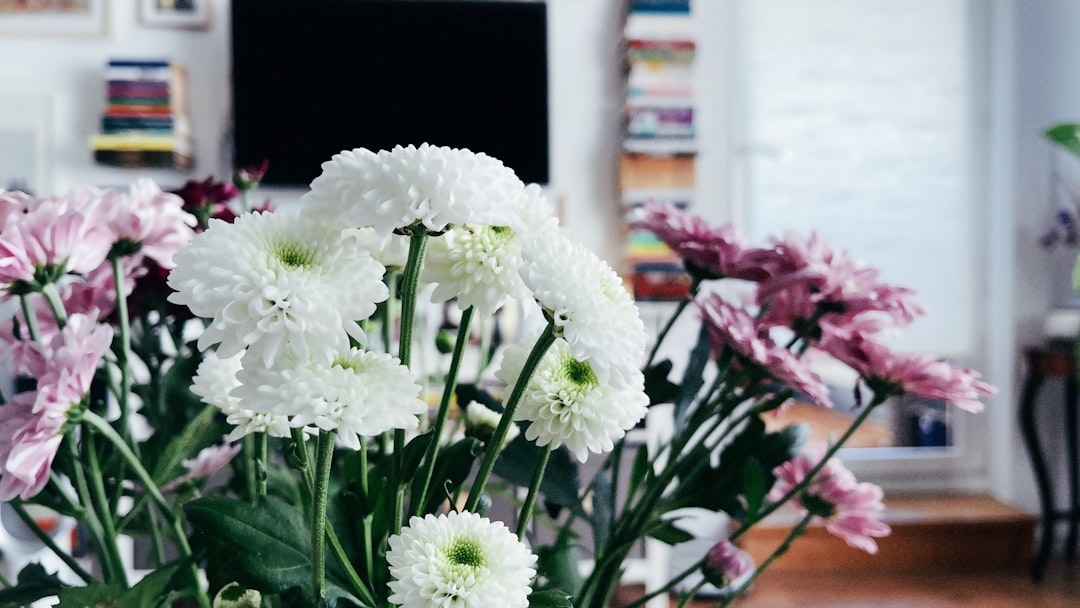
Professional florists routinely bulk up winter arrangements with fresh evergreen cuttings — cedar, juniper, blue spruce, or magnolia leaves — to add volume and fragrance at almost zero cost. A few branches cut from an outdoor shrub or picked up at a Christmas tree lot ($2–$5 per bundle) can turn a simple $15 tulip bunch into something that looks twice as expensive. The key is cutting stems at a 45-degree angle and conditioning them in cold water for several hours before arranging.
Expert Perspective
“Winter housewarming flowers should anchor the room, not just accessorize it,” says Dana Kowalski, a certified floral designer and horticulturist with 14 years of experience at her studio, Botanica & Co., in Portland, Oregon. “I always steer clients toward something with structure — amaryllis, hellebores, forced branches. These blooms don’t apologize for winter. They own it. And they last long enough that the homeowner actually gets to enjoy them during the chaos of unpacking.”
Practical Tips for Giving Winter Housewarming Flowers
- Skip the wrapping paper in the cold. Flowers exposed to sub-freezing temperatures for even five minutes can suffer cell damage. Transport arrangements in a sealed car, not an open trunk.
- Call ahead about allergies. Paperwhites, hyacinths, and some lilies produce strong fragrances. A quick text before you buy is considerate.
- Include care instructions. Most recipients won’t know that tulips prefer cool water, or that cyclamen dislikes being near a heat vent. A small handwritten card with one or two care tips elevates the gift.
- Choose long-lived options for busy movers. Someone who just moved in is managing boxes, contractors, and change-of-address forms. A potted plant with a three-week bloom window is kinder than a cut bouquet that needs daily water changes.
Frequently Asked Questions About Winter Housewarming Flowers
What are the best flowers to give at a housewarming in winter?
Amaryllis, paperwhite narcissus, tulips, hellebores, and potted cyclamen are all excellent choices. They’re seasonally appropriate, widely available from November through February, and range from $10 to $20 for quality options.
Are potted plants better than cut flowers for a housewarming gift?
For winter housewarmings specifically, potted plants often make more sense. They last weeks longer than cut bouquets, require less daily maintenance, and can be moved around as the homeowner settles in. Cyclamen, amaryllis bulbs, and paperwhite kits are all strong potted options.
How do I transport flowers in winter without damaging them?
Keep flowers inside a temperature-controlled car, never in a trunk or truck bed. Wrap the blooms loosely in tissue or newspaper for insulation during transfers. Even brief exposure to temperatures below 32°F can cause petal burn or wilting in sensitive varieties like tulips and ranunculus.
What’s a good budget for winter housewarming flowers?
A thoughtful, attractive arrangement or potted plant can be found for $20–$40. Under $20 is achievable with a single-variety bunch (tulips or paperwhites) styled simply. Above $50, you’re entering florist-designed arrangement territory with premium stems and vessels.
Which winter flowers last the longest in a vase?
Carnations (10–14 days), alstroemeria (10–14 days), and chrysanthemums (up to 21 days) have the longest vase lives of commonly available winter cut flowers. Amaryllis stems last 7–14 days and make a dramatic centerpiece for the price.
Bringing It All Together: Your Winter Housewarming Flowers Plan
The best gift for a winter housewarming is one that works harder than the occasion demands. A potted amaryllis blooming on a kitchen counter in February, a cluster of paperwhites filling a living room with fragrance, a structured hellebore arrangement that looks like it belongs in an editorial — these aren’t just flowers. They’re the first signs of life in a new home.
Before your next winter move-in gift, stop by a local garden center or independent florist rather than defaulting to a grocery store display. Ask what’s in season. Mention the budget. A skilled florist can build something remarkable with $30 and the right winter stems — and that’s a gift worth giving.







Add Comment