
Contents:
- Why Wake Flowers Carry So Much Weight
- The Best Wake Flowers by Type and Meaning
- White Lilies: The Classic Choice
- Chrysanthemums: Underused and Deeply Appropriate
- Roses: Specific Colors Matter
- Gladioli, Carnations, and Orchids
- What to Avoid Bringing as Wake Flowers
- A Seasonal Guide to Wake Flowers
- A Reader’s Story: When the Right Flower Said Everything
- Practical Tips for Bringing Wake Flowers
- FAQ: Wake Flowers
- What flowers are most appropriate for a wake?
- Is it appropriate to bring flowers to a wake?
- How much should I spend on wake flowers?
- Can I bring flowers from my own garden to a wake?
- What flowers should you avoid at a wake?
- Before You Order, Do This One Thing
Choosing flowers for a wake is one of those tasks that stops you mid-scroll at 11pm, second-guessing everything you thought you knew about flowers. You grow them, you arrange them, you gift them — and yet standing in front of a florist asking for something appropriate for a wake feels surprisingly hard. The good news: there’s real guidance here, rooted in tradition, seasonal availability, and the quiet language that flowers have always spoken at moments like these.
Why Wake Flowers Carry So Much Weight
Flowers at a wake aren’t decoration. They’re a physical expression of presence when words fall short. The tradition dates back thousands of years — ancient Romans placed flowers on graves to honor the dead, and the Victorians turned funeral floristry into an elaborate, codified language. Today, wake flowers still carry symbolic meaning, even if most people can’t name exactly why a white lily feels right and a bunch of sunflowers might give pause.
The context matters too. A wake is typically held before the funeral — it’s an intimate gathering, often at a funeral home or the family’s residence, where mourners come to pay respects. Flowers brought to a wake are usually displayed near the casket or arranged around the room. Unlike funeral sprays ordered by the family, the flowers you bring personally are a gesture. They should feel personal.
The Best Wake Flowers by Type and Meaning
White Lilies: The Classic Choice
White stargazer or Casablanca lilies are the most recognized wake flowers in American tradition. They symbolize the restored innocence of the soul and the peace of passing. A single stem arrangement of five to seven Casablanca lilies in a white ceramic vase costs roughly $35–$55 at most US florists and makes an immediate, understated impression. One caveat if you’re a gardener bringing from your own stock: lilies are intensely fragrant, and in a small, enclosed space, that scent can be overwhelming. Consider cutting them a day early to let the fragrance soften slightly.
Chrysanthemums: Underused and Deeply Appropriate
In the US, chrysanthemums are underrated for wakes — they’re often pigeonholed as a fall garden flower. But white and cream mums have been used in European and Asian funeral traditions for centuries precisely because of their longevity and their association with death and rebirth. A full arrangement of white chrysanthemums lasts 10–14 days in a vase, meaning the family will have something beautiful long after the wake ends. That staying power is a genuine act of kindness.
Roses: Specific Colors Matter
Red roses at a wake can feel jarring to some families — too romantic, too celebratory. White roses signal purity and reverence. Pale pink roses communicate grace and admiration, making them a strong choice when the deceased was a younger person or a beloved community figure. Deep red is best reserved for a spouse or very close family member bringing flowers. If you’re unsure, a mixed arrangement of white and pale pink garden roses in the $40–$65 range strikes the right chord for almost any context.
Gladioli, Carnations, and Orchids
Gladioli are a staple of traditional American funeral floristry — their tall, architectural spikes fill space beautifully in a wake setting. White carnations are inexpensive (often $1–$2 per stem) and deeply traditional; a hand-tied bundle of 12 white carnations is appropriate, simple, and genuinely gracious. White or pale green orchids skew more contemporary and work well for modern, non-religious services.
What to Avoid Bringing as Wake Flowers
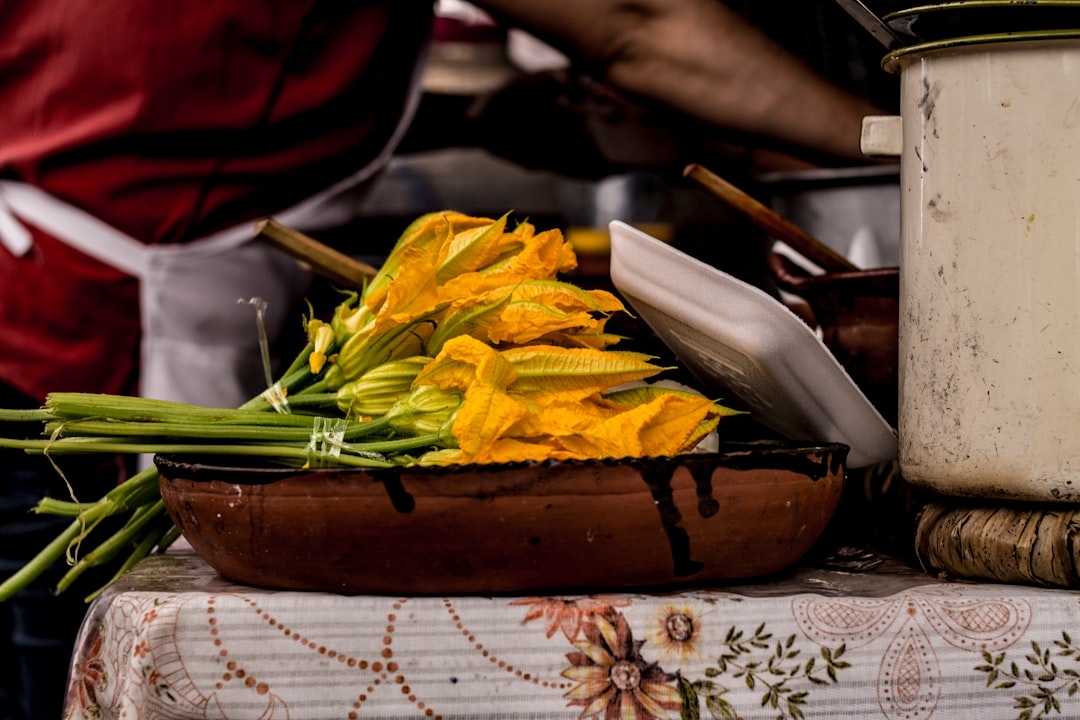
Bright, cheerful mixed bouquets — the kind you’d grab at a grocery store for a dinner party host — read as careless at a wake, even if they’re technically beautiful. Avoid strong color contrasts (orange and purple, for example) and heavily tropical arrangements. Yellow flowers in some cultural traditions signal jealousy or disrespect for the dead; if you’re attending a wake for a family with Vietnamese, Korean, or Chinese heritage, check first before bringing yellow blooms. Potted plants are often welcome at funerals but can feel awkward at wakes, where space is limited and logistics are tight.
A Seasonal Guide to Wake Flowers
If you’re a gardener who wants to bring something from your own beds, seasonal availability shapes your options more than any other factor.
- Spring (March–May): White tulips, lilac stems, white peonies (late May), and hellebores. Peonies especially make a generous, luxurious offering.
- Summer (June–August): White garden roses, white lisianthus, white dahlias, and white snapdragons. Lisianthus is particularly underused and strikingly elegant.
- Fall (September–November): White chrysanthemums, cream-colored dahlias, white anemones, and silver dusty miller as filler.
- Winter (December–February): Paperwhite narcissus, white amaryllis, and forced white hyacinth. These are achievable from bulbs and carry real seasonal meaning.
In USDA hardiness zones 7–10, you’ll have broader access to fresh garden flowers year-round. In zones 3–6, winter wakes mean leaning on your florist or growing cold-tolerant whites in a greenhouse or cold frame.

A Reader’s Story: When the Right Flower Said Everything
A gardener in suburban Ohio shared this: her neighbor of 22 years passed in January, and she wanted to bring something personal to the wake rather than ordering from a florist. She’d been growing paperwhite narcissus bulbs in her basement since November. She potted three stems in a small clay pot, tied a simple piece of ribbon around it, and brought it along. The family kept that pot on their kitchen windowsill for the entire winter. “It kept blooming,” she said. “Every new blossom felt like something.” Sometimes the most meaningful wake flower is the one that came from your own hands.
Practical Tips for Bringing Wake Flowers
- Call ahead if possible. Some families request no flowers, or specify donations instead. A quick check with the funeral home or a family member takes 90 seconds and shows real consideration.
- Bring flowers in a vase or wrapped, not loose. Families at a wake are managing a hundred logistics — handing them a bunch of stems they need to find a container for adds one more task.
- Include a handwritten card. The flowers will be handled by many people. A card attached with your name and a brief note ensures the family knows who brought them.
- Aim for $30–$75. This is the culturally comfortable range for most wake flower gifts in the US market. Under $20 can look sparse; over $100 can feel showy unless you were very close to the deceased.
- White, cream, and pale pink are universally safe. When in doubt, keep the palette monochromatic and soft.
FAQ: Wake Flowers
What flowers are most appropriate for a wake?
White lilies, white chrysanthemums, white roses, and gladioli are the most traditional and universally appropriate wake flowers in the US. Pale pink roses and white carnations are also excellent choices. Keep colors soft — white, cream, and pale pink are the safest palette.
Is it appropriate to bring flowers to a wake?
Yes, in most American Christian and secular traditions, bringing flowers to a wake is a welcome gesture. However, Jewish shiva observances and some other cultural or religious traditions do not include flowers — always check with a family member or the funeral home if you’re unsure.
How much should I spend on wake flowers?
A thoughtful arrangement typically costs between $30 and $75. A simple hand-tied bundle of white carnations or a modest lily arrangement is entirely appropriate. The gesture matters far more than the price.
Can I bring flowers from my own garden to a wake?
Absolutely. Homegrown wake flowers, especially white or cream-colored seasonal blooms, often carry more personal meaning than a store-bought arrangement. Present them neatly — in a vase or tied cleanly — and include a card with your name.
What flowers should you avoid at a wake?
Avoid bright mixed bouquets, tropical arrangements, and strongly contrasting colors. Yellow flowers can carry negative symbolism in some Asian cultures. Also avoid loosely bundled stems with no vase or wrapping, as this creates extra work for the family.
Before You Order, Do This One Thing
Text or call someone close to the family — not to ask for permission, but simply to say: “I’d like to bring flowers. Is there anything the family particularly loves, or anything I should know?” That question, asked quietly and kindly, almost always yields something valuable. Maybe the deceased had a garden full of dahlias. Maybe the family has already asked for donations only. Either way, you’ll arrive at that wake with something more than wake flowers — you’ll arrive with intention. And that’s what people remember.







Add Comment