
Contents:
- Why Flower Choice Matters During Diwali
- The Best Diwali Flowers to Send or Grow
- Marigolds (Tagetes erecta) — The Non-Negotiable Choice
- Roses — Specifically Red and Deep Pink
- Lotus Flowers — Lakshmi’s Sacred Bloom
- Chrysanthemums — Bright Colors Only
- Tuberose (Rajnigandha) — The Fragrance Specialist
- Marigolds vs. Gerbera Daisies: A Common Substitution Mistake
- Eco-Friendly and Sustainable Diwali Flower Gifting
- Practical Tips for Sending Diwali Flowers in the US
- Frequently Asked Questions About Diwali Flowers
- What flowers are traditional for Diwali?
- What colors should Diwali flowers be?
- Can I send flowers for Diwali to someone in another state?
- How long do Diwali flower arrangements last?
- Are marigolds available from US florists in October?
- Plan Ahead, Give Intentionally
Diwali flowers have been central to the festival’s spirit for over 2,500 years. Ancient Sanskrit texts describe homes adorned with marigold torans — garlands strung above doorways to welcome Lakshmi, the goddess of prosperity. That tradition hasn’t faded. It’s evolved. Today, florists across the US ship culturally intentional arrangements to South Asian households from Houston to New Jersey, and the demand spikes by roughly 40% in the two weeks before Diwali each October or November.
If you grow your own flowers, you already have an advantage most buyers don’t: access to freshly cut blooms with real fragrance and staying power. Here’s how to make the most of that edge when selecting or sending Diwali flowers.
Why Flower Choice Matters During Diwali
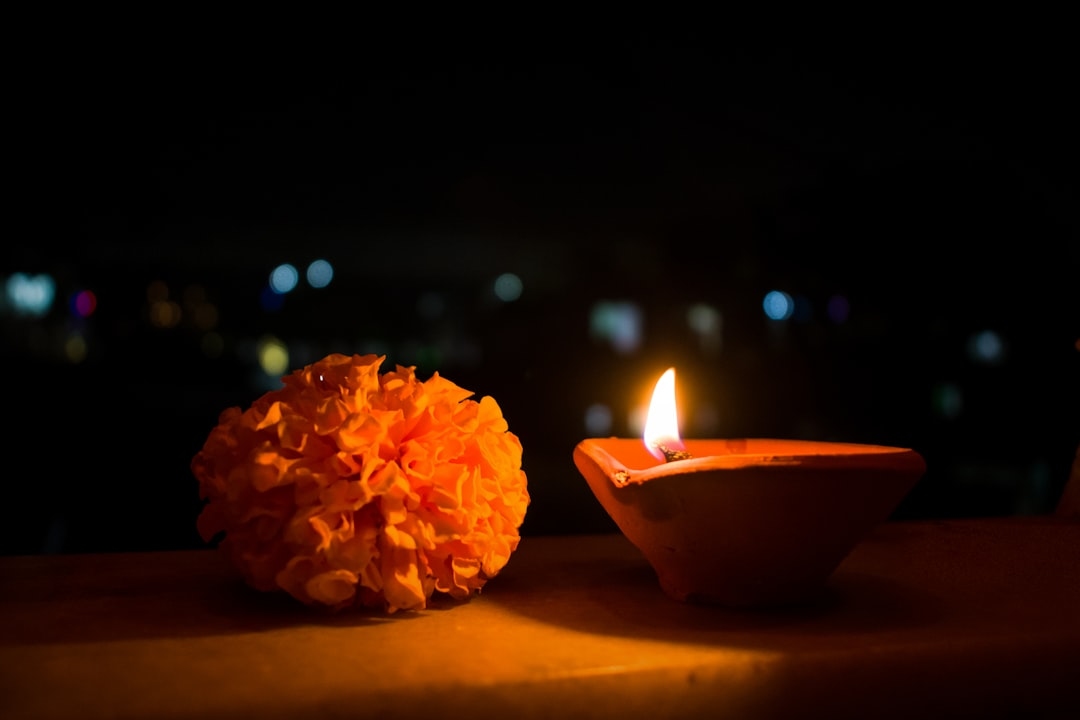
Diwali isn’t a single-day celebration — it spans five days, each with specific rituals. Flowers aren’t decoration. They’re offerings. On Dhanteras (day one), blooms are placed before Lakshmi and Ganesha. On the main Diwali night, lit diyas illuminate floral rangoli patterns on floors and thresholds. Sending the wrong flowers — say, white chrysanthemums, which carry mourning associations in South Asian culture — can unintentionally signal the opposite of celebration.
Color and fragrance carry specific weight. Deep yellows, oranges, reds, and pinks dominate traditional Diwali palettes. Heavily scented varieties are preferred because fragrance is considered a form of offering in Hindu ritual practice.
The Best Diwali Flowers to Send or Grow
Marigolds (Tagetes erecta) — The Non-Negotiable Choice
African marigolds are the backbone of Diwali floral tradition. Full stop. Their bold orange and yellow tones symbolize auspiciousness, and their pungent scent is considered sacred. A single stem can hold 20–30 florets and last 7–10 days in water. For gifting, look for arrangements using marigold garlands rather than just a few stems — garlands of 3 to 5 feet are traditional and make an immediate visual impact when hung across a doorframe.
Gardeners in USDA zones 2–11 can grow African marigolds as annuals. Direct sow 6–8 weeks before your expected gift date. They hit full bloom in 50–60 days from transplant.
Roses — Specifically Red and Deep Pink
Red roses carry the symbolism of devotion and abundance in South Asian culture, making them a strong secondary choice for Diwali bouquets. A dozen red roses from a quality US florist runs $45–$75 depending on stem length. Opt for long-stemmed varieties (50cm or longer) — they indicate quality and hold up better in arrangements designed to last through the five-day festival.
Lotus Flowers — Lakshmi’s Sacred Bloom
Lotus is directly associated with Lakshmi and appears in nearly every religious iconographic depiction of the goddess. Fresh lotus is harder to source in the US — expect to pay $8–$15 per stem from specialty Asian floral suppliers. Dried or silk lotus work as altar arrangements when fresh isn’t available, and they last indefinitely. If you have a backyard pond in zones 4–10, growing your own sacred lotus (Nelumbo nucifera) is deeply satisfying and yields blooms from July through September.
Chrysanthemums — Bright Colors Only
Bright yellow and orange chrysanthemums are widely used in South Asian floral culture for festive occasions. Note the distinction clearly: white chrysanthemums are associated with funerals and mourning across many Asian cultures. Only send yellow, gold, or orange mums for Diwali. A good-sized pot of fall-blooming garden mums costs $10–$20 and makes a practical, long-lasting gift.
Tuberose (Rajnigandha) — The Fragrance Specialist
Tuberose, called rajnigandha in Hindi, is intensely fragrant and traditionally strung into garlands for puja (worship). Its white flowers might seem counterintuitive given the color palette discussion above, but tuberose occupies a specific ritual niche — it’s valued almost entirely for scent, not color. A single stem can perfume a room for days. Plant bulbs in spring in zones 8–11 for fall harvest.
Marigolds vs. Gerbera Daisies: A Common Substitution Mistake
US florists sometimes substitute gerbera daisies for marigolds in “Diwali-inspired” arrangements. The colors overlap — both come in orange, yellow, and red — but they’re not culturally interchangeable. Gerbera daisies have no traditional ritual significance in South Asian festivals. Marigolds have millennia of embedded meaning. If you’re sending flowers to someone observing Diwali seriously, insist on actual marigolds. Ask the florist specifically. Many carry them seasonally, and demand has grown enough that most large US online florists now stock them in October.
Professional South Asian event florists always incorporate fresh mogra (Arabian jasmine, Jasminum sambac) into high-end Diwali arrangements. It’s not widely available at standard US florists, but Indian grocery stores in cities like Chicago, Atlanta, and the Bay Area often carry fresh jasmine garlands ($3–$8 per strand) in October. One strand draped over a gift basket or tucked into a bouquet adds an authenticity that immediately signals thoughtfulness to the recipient.
Eco-Friendly and Sustainable Diwali Flower Gifting
Cut flower supply chains have a real environmental cost — an estimated 80% of flowers sold in the US are imported, primarily from Colombia and Ecuador, racking up significant air-freight emissions. For Diwali, there are better options.
- Grow your own marigolds from seed. A single seed packet ($2–$4) produces dozens of blooms — more than enough for garlands, arrangements, and gifting.
- Source locally. Farmers markets in October often carry bulk marigolds and fall mums grown within 100 miles. Ask vendors specifically about cut marigold bunches.
- Gift potted plants. A potted chrysanthemum or miniature rose bush keeps blooming after the festival and generates zero waste from cut-stem disposal.
- Compost after the festival. Traditional Diwali flower offerings are immersed in water or composted — align with that practice by making sure your gift recipient knows the blooms can go into the compost bin rather than the trash after the celebration ends.
Practical Tips for Sending Diwali Flowers in the US
- Order 5–7 days early. Diwali falls on a different date each year (it follows the Hindu lunar calendar). In 2026, it lands on October 20. Florist demand peaks the week before. Early ordering locks in fresher stock.
- Request a Diwali-specific arrangement. Don’t just order “fall flowers.” Ask explicitly for marigolds, avoid white blooms, and request orange, yellow, and deep red color schemes.
- Add a personal note in the recipient’s language. “Shubh Deepawali” (Happy Diwali) on a card goes further than a generic holiday message.
- Check delivery windows. Many areas with large South Asian communities offer same-day delivery during Diwali week. Confirm before placing an order that assumes overnight shipping.
Frequently Asked Questions About Diwali Flowers
What flowers are traditional for Diwali?
Marigolds are the most traditional Diwali flower, followed by lotus, tuberose (rajnigandha), and roses in red or deep pink. Marigolds are used for garlands, rangoli, and altar offerings. Lotus is specifically associated with Goddess Lakshmi.
What colors should Diwali flowers be?
Orange, yellow, red, and deep pink are the most auspicious Diwali colors. Avoid white flowers, which carry mourning associations in South Asian culture. Gold tones are especially welcome given Diwali’s association with Lakshmi and prosperity.
Can I send flowers for Diwali to someone in another state?
Yes. Major US online florists like FTD, Teleflora, and 1-800-Flowers deliver nationwide. For culturally specific arrangements with actual marigolds, search for South Asian florists in major metro areas — many ship overnight. Expect to pay $60–$120 for a quality arrangement with delivery.
How long do Diwali flower arrangements last?
Fresh marigold arrangements last 7–10 days in water. Roses last 5–7 days. Tuberose holds fragrance for 3–5 days after cutting. If you want something that lasts the full five-day festival, combine a long-lasting potted mum with fresh marigold garlands.
Are marigolds available from US florists in October?
Yes, but not universally. Large-scale online florists stock them seasonally around Diwali. Local florists in cities with large South Asian populations (Houston, New Jersey, Chicago, Northern California) typically carry them. Call ahead and ask specifically — don’t assume.
Plan Ahead, Give Intentionally
The gardening instinct applies here: timing and variety selection determine whether something thrives. A thoughtful Diwali flower gift — one built around marigolds, lotus, or tuberose rather than a generic fall bouquet — tells the recipient you understood the occasion. Start seeds this summer if you want to gift homegrown marigolds this October. Or bookmark a South Asian florist now, before Diwali week demand makes sourcing a scramble. Either way, you’ll be ahead of the curve.






Add Comment